 YALA
The Fishing Cat in Yala's Wetlands
You've probably heard that Yala is a leopard park with a few bonus birds thrown in. We'd push back on that. Some of its most interesting residents never make the highlight reel, and the fishing cat is the clearest example. Most visitors never see one. Most don't know to look.
That is partly the animal's fault. It is built for water, it works at night, and it has no interest in jeeps. But it is also partly ours, because the park's wetland edges get far less attention than the open scrub where leopards sun themselves on rocks.
A Cat Built for the Wrong Habitat Guide
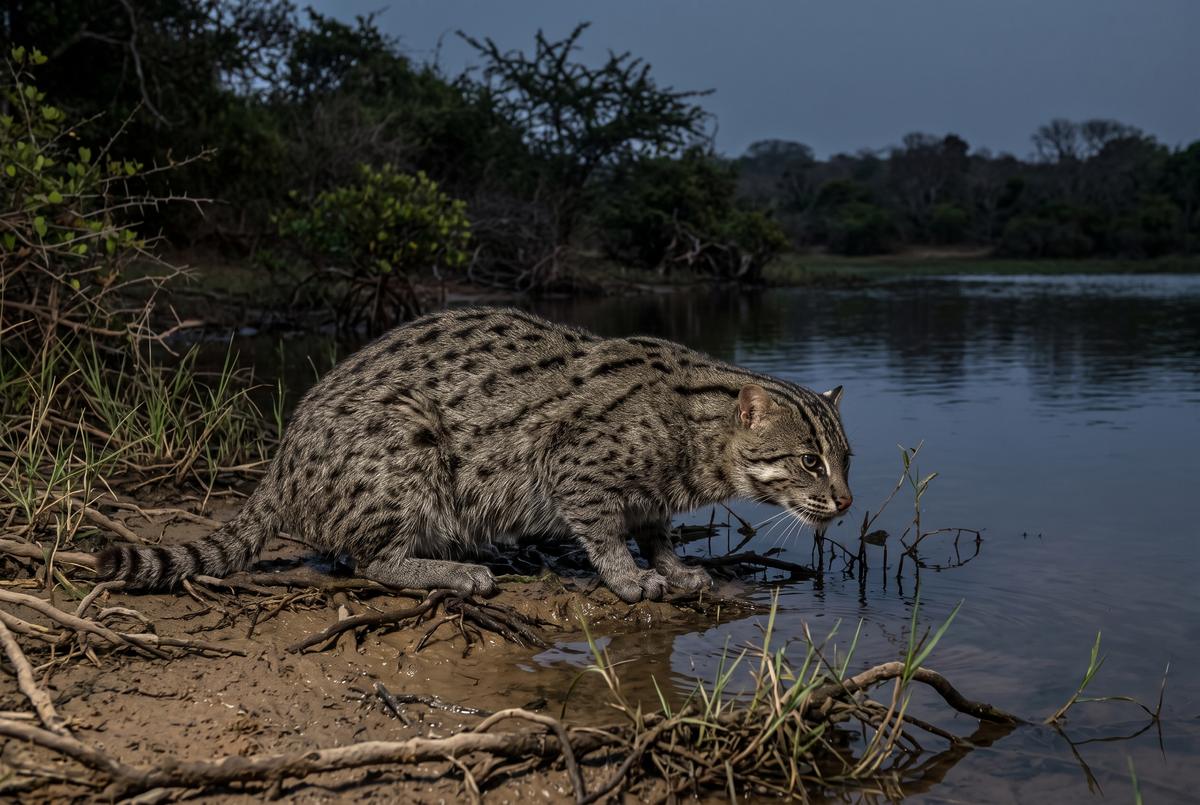
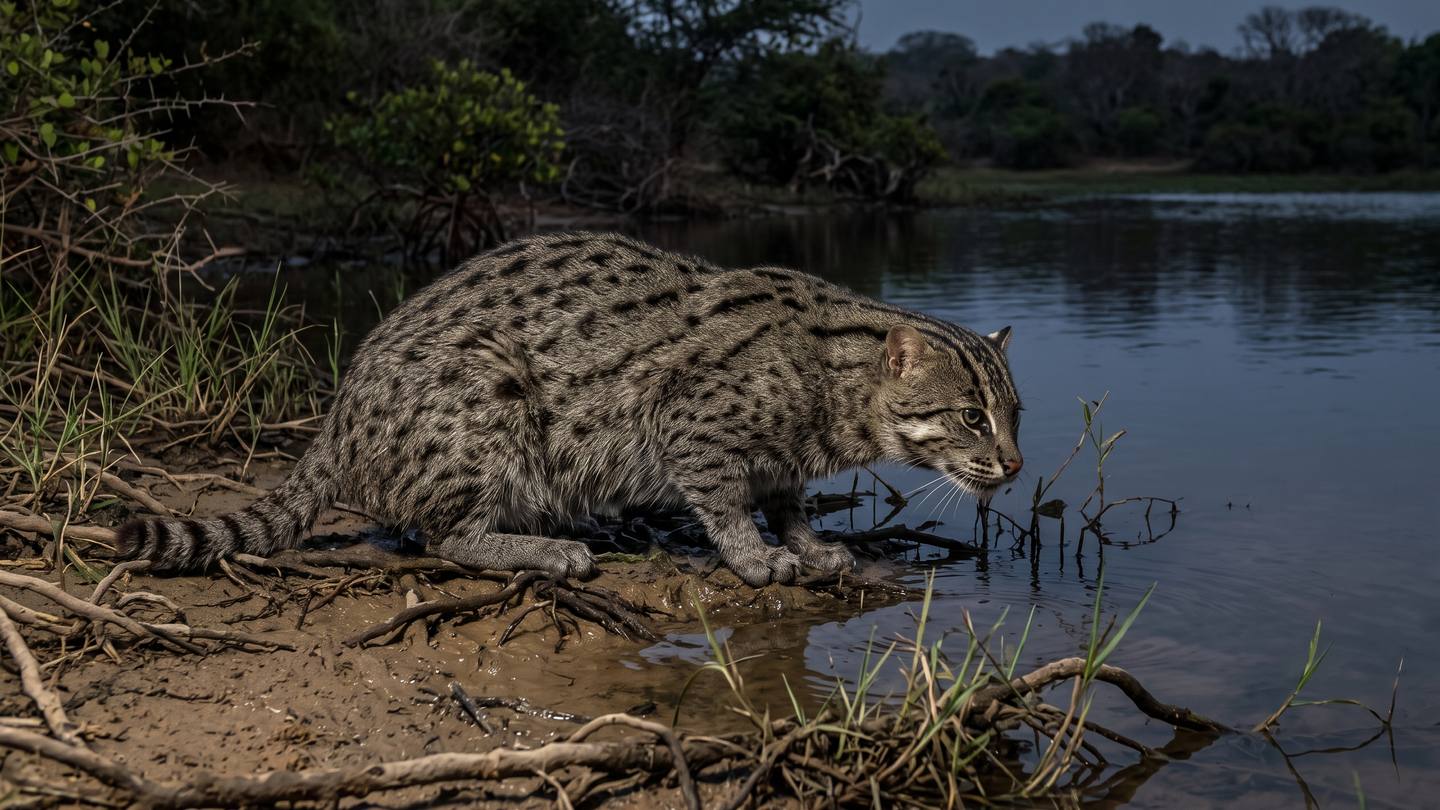
Picture a cat roughly twice the bulk of the one asleep on your sofa. A fishing cat's head-to-body length runs 57 to 78 cm, plus a stubby 20 to 30 cm tail, and males can weigh up to 17 kg, nearly double the females' typical 5 to 9 kg. That is closer to a small dog than a kitchen cat.
The coat is an olive-grey wash with black spots that run into lines along the back, which works as camouflage in reed beds and mangrove shadow rather than dry savannah. None of this matches the mental image most people carry of a "wild cat," which is exactly the point. Evolution built this one for water, not grassland.
It swims properly, not the frantic doggy-paddle of a cat that fell in by accident. Fishing cats cover long distances in water and can stay submerged to close in on prey, using slightly webbed paws to paddle efficiently. Watching one hunt, if you are lucky enough to, looks less like cat behaviour and more like otter behaviour wearing a cat's face.
Where Yala's Wetlands Fit the Bill
Fishing cats across South and Southeast Asia stick close to rivers, oxbow lakes, swamps and mangroves, anywhere fish are predictable and dense. Yala offers exactly that mix, and not just in one place. The brackish stretches near Yala Lagoon, the tidal flats along the coast, and the margins of tanks like Buttuwa and Jamburagala all fit the profile on paper.
Fish make up the bulk of the diet, but it is not a fussy eater. Birds, frogs, snakes, rodents, molluscs and the odd scavenged carcass all get taken when the opportunity is there. That flexibility is probably why it survives in fairly disturbed wetlands elsewhere in its range, even where larger carnivores have long since vanished.
Sightings inside the park are genuinely uncommon, and we want to be upfront that we do not have a reliable population estimate for Yala specifically. Camera-trap and incidental records exist, but nothing we would call a confident census figure. What we can say is that trackers who spend time around Yala's lagoon-adjacent blocks report more encounters there than in the dry scrub interior, which lines up with the species' general wetland preference described in the broader literature on the cat.
Nocturnal, Solitary, and Easy to Miss
The fishing cat is thought to be mostly active at night, which immediately rules it out of a large share of standard morning and afternoon safari slots. Visitors chasing it on a single evening game drive are, frankly, playing a long shot. A still, warm night near open water with minimal jeep noise is the better theoretical setup, though Yala's current rules do not permit general night drives through its wetland interior, so most visitors will only get a chance at dusk or dawn transitions.
It is also solitary and territorial, not the kind of animal that turns up in family groups the way spotted deer or wild boar do. One brief shape at the reed line, a ripple where there should not be one, a pair of eyes catching the spotlight low over the water: that is usually what a fishing cat sighting amounts to, if it happens at all.
If you are the sort of visitor who tracks these odds seriously, it is worth reading our piece on When to Visit Yala, since water levels shift wetland access dramatically across the year, and a dry-season tank with exposed mud margins behaves very differently to the same spot in November.
A Species Under Real Pressure
Here is the part that matters more than any single sighting. The IUCN has listed the fishing cat as Vulnerable since 2016, and the assessment behind that listing pointed to a population decline of roughly 30 percent over the three generations spanning 2010 to 2015. That is a sharp drop for a species that was never common to begin with.
The causes are not exotic. Wetlands get drained for agriculture or aquaculture, mangroves get cleared, and in parts of its range people kill fishing cats directly, sometimes over perceived threats to fish stocks or poultry. None of that is unique to Sri Lanka, but it is a useful reminder that the wetlands inside Yala are not just scenery for storks and crocodiles. They are the one habitat type this particular cat cannot do without.
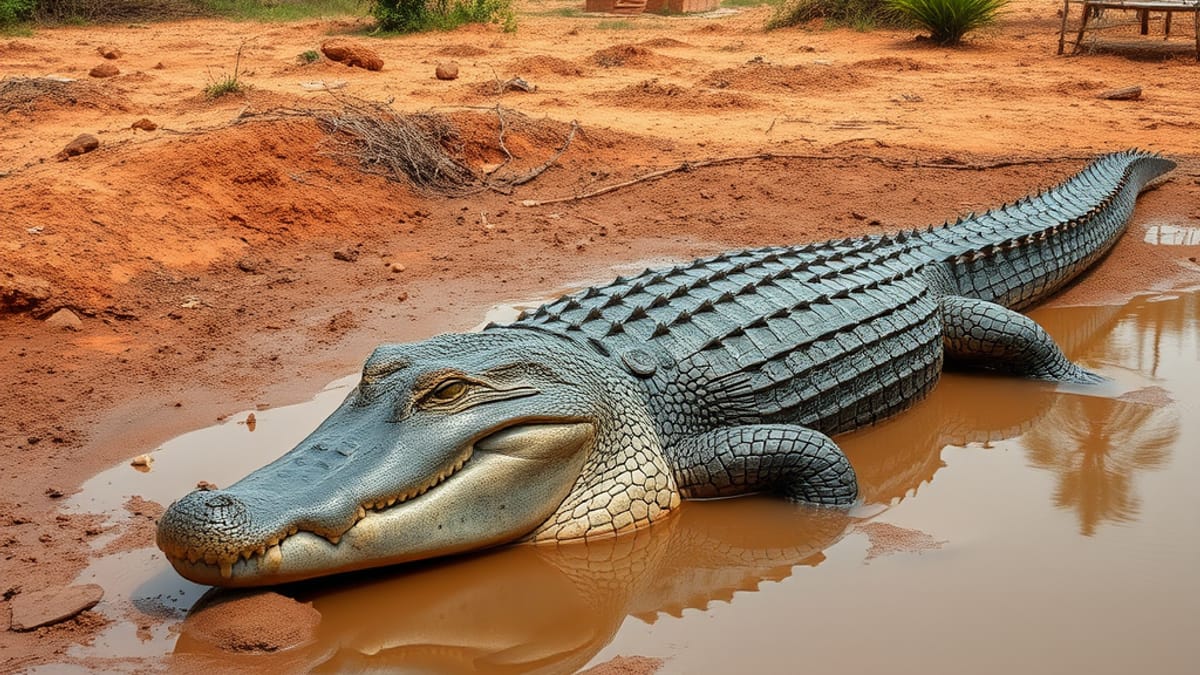
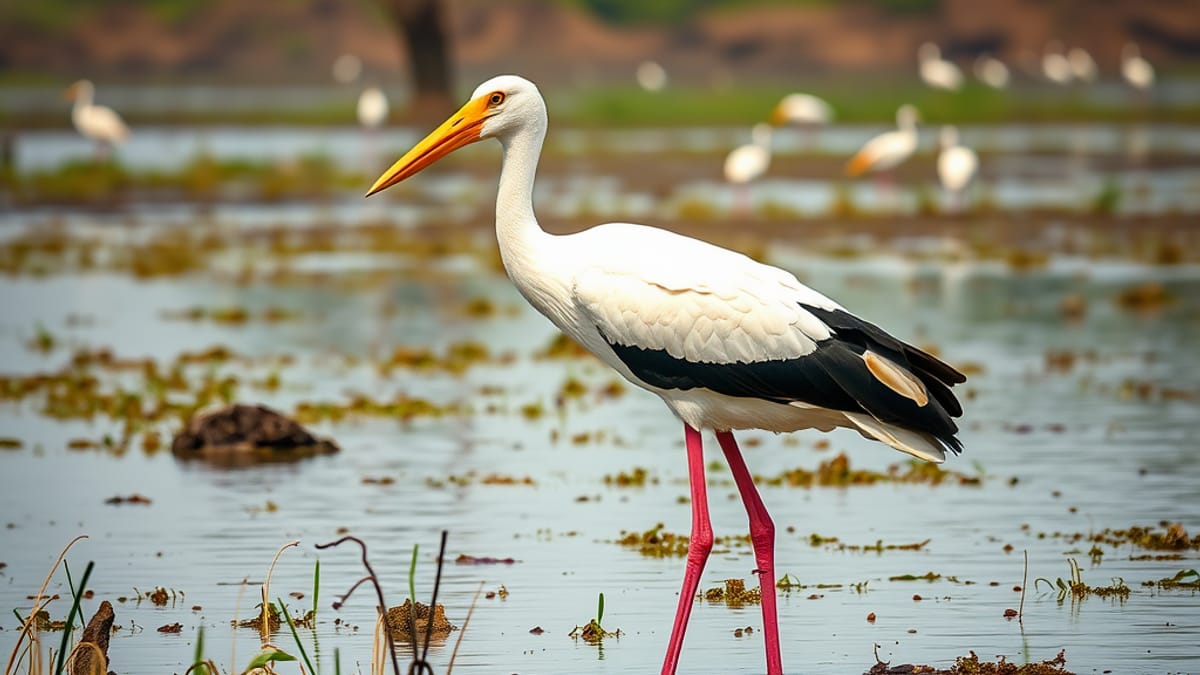
That is also why wetland protection inside the park carries weight beyond the birdlife everyone already associates with it. If you want the fuller picture of that ecosystem, our article on the Mugger Crocodile of Yala's Tanks covers the other major predator sharing the same water, and the Painted Stork Colonies of Yala's Wetlands piece lays out why these margins matter for birds too.
What This Means for a Visit
We will not oversell the odds here. A fishing cat sighting in Yala is a bonus, not a plan. If you want to put the odds even slightly in your favour, ask your tracker in advance whether the drive will pass lagoon-edge or tank-margin terrain rather than pure scrub, and go out at the first and last light slots when activity is more likely. Bring a torch-friendly spotlight etiquette in mind too: a brief, low sweep across water is far less disruptive than a long beam held on the animal.
Most visitors will leave Yala having seen leopard, elephant, maybe a sloth bear if the trip is unusually lucky. The fishing cat sits below all of those on the probability table, and that is precisely what makes it worth knowing about before you go. Expecting nothing and getting something beats the reverse every time.
Sources
- Wikipedia, "Fishing cat", https://en.wikipedia.org/wiki/Fishing_cat
Ready to see it for yourself?
Book a safari