 YALA
The Mudskipper and the Lagoon Tidal Flats of Yala
Most people come to Yala for the leopard. Few leave talking about the fish that walks.
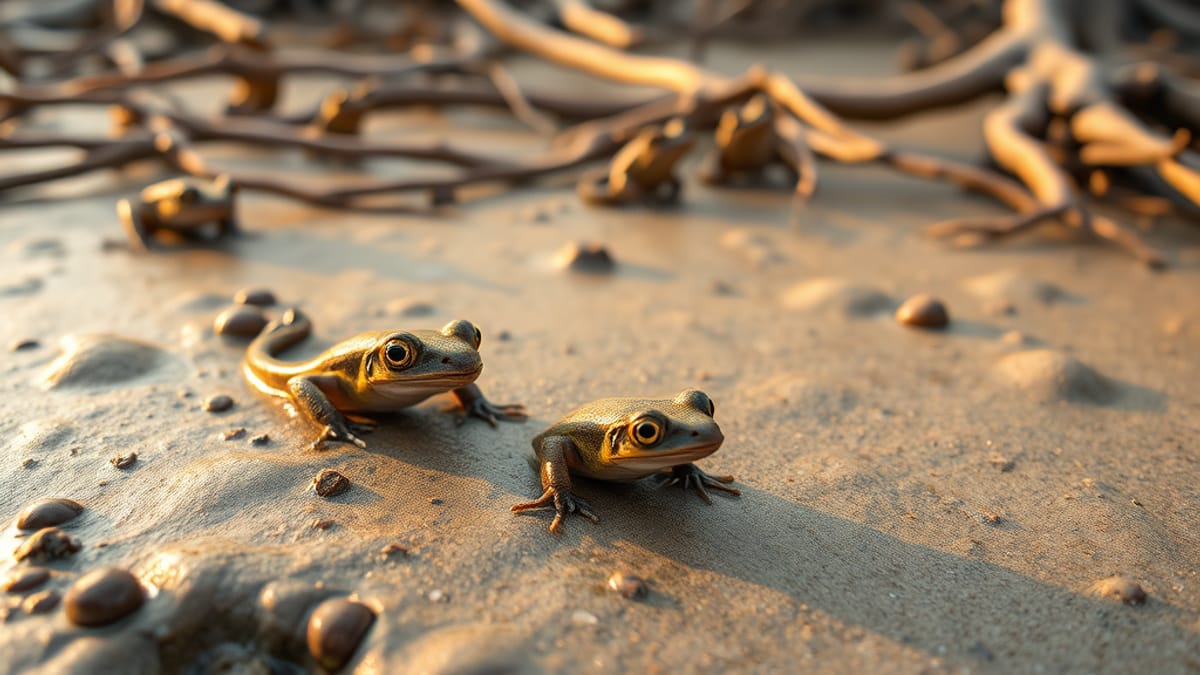
But spend ten minutes at the edge of one of the park's lagoon flats at low tide, and the mudskipper tends to win you over. It is small, slick with mud, and does something almost no other fish bothers to do: it leaves the water, on purpose, and gets on with its day.
What You're Actually Looking At
Mudskippers belong to a subfamily of gobies called Oxudercinae, part of the wider goby family Oxudercidae. Worldwide there are 25 known species. They are not a Sri Lankan specialty and not endemic to Yala, but the park's brackish lagoon systems, particularly around Buttuwa, Manik, and the tidal creeks that thread through Block I towards the coast, give them exactly the kind of exposed, nutrient-rich mudflat they need.
An adult can reach around 30 centimetres, though most you'll see in Yala are smaller. The colouring runs from dark olive to a lighter brownish green, which is effectively perfect camouflage against wet lagoon silt. During the breeding season, males develop patches of bright colour on their fins and bodies, in red, green or blue, used specifically to catch a female's attention. If you see one looking unusually vivid, you are probably watching a male showing off.
The eyes are the first thing most visitors notice. They sit on top of the head, raised and bulging, rather than on the sides like a normal fish. It is a simple adaptation with an obvious payoff: a mudskipper can keep its eyes above the mud and water line while the rest of its body stays submerged or buried, giving it a near-periscope view of its surroundings.
How a Fish Learns to Walk
The real trick is the pectoral fins. On a mudskipper they sit further forward and lower on the body than on a typical fish, and they are jointed in a way that lets them work almost like a pair of crude arms. The fish plants them, pushes, and drags itself forward across exposed mud in a motion that looks more like crawling than swimming.
Then there's the skip itself, the move that gives the fish its name. By flexing its tail sideways and pushing off, a mudskipper can launch itself up to 61 centimetres, which is a genuinely startling distance for an animal rarely longer than your hand. Watch a group on a falling tide and you'll see them do this in short, scrappy bursts, as much a territorial shove between rivals as a way of covering ground.
They don't stop at flat mud, either. Mudskippers are competent low-level climbers, and it's not unusual to see one perched on a half-submerged mangrove root or a low branch overhanging the water, apparently quite content out of its element.
Being out of water for long stretches isn't a problem for them, because they don't rely purely on gills to breathe. They hold water in enlarged gill chambers and can also absorb oxygen through the skin and the lining of the mouth and throat, provided those surfaces stay damp. That's the real reason mudskippers are constantly rolling in mud or ducking into puddles: not for comfort, but because dry skin means no oxygen.
Why the Tides Set the Timetable
Yala's lagoon flats are tidal, and the mudskipper's entire daily rhythm follows that tide rather than the sun. As water retreats off the flats, the mud is exposed and the fish emerge from their burrows to feed, defend patches of territory and, in season, display. When the tide comes back in, most retreat into burrows dug deep enough to hold a pocket of air and stay protected from both the rising water and predators.
This means timing matters more than usual for visitors who actually want to see the behaviour rather than just a brief glimpse. A falling tide in the early morning or late afternoon, when the light is low and the flats are freshly exposed, is reliably the best window. Visit when the flat is fully submerged and there is nothing to see at all; visit at the wrong hour on a dry flat and the fish are all buried, inactive, waiting it out.
Seasonally, the clearest activity tends to cluster around the breeding period, when males are displaying and territorial skirmishes are more frequent and more visible. Exact breeding months for Sri Lankan populations are not something we'd state with confidence here, since detailed local data on this particular species complex is thin, but warmer, wetter stretches of the year generally correspond with more visible breeding behaviour in mudskippers across their range.
A Small Fish With a Large Supporting Cast
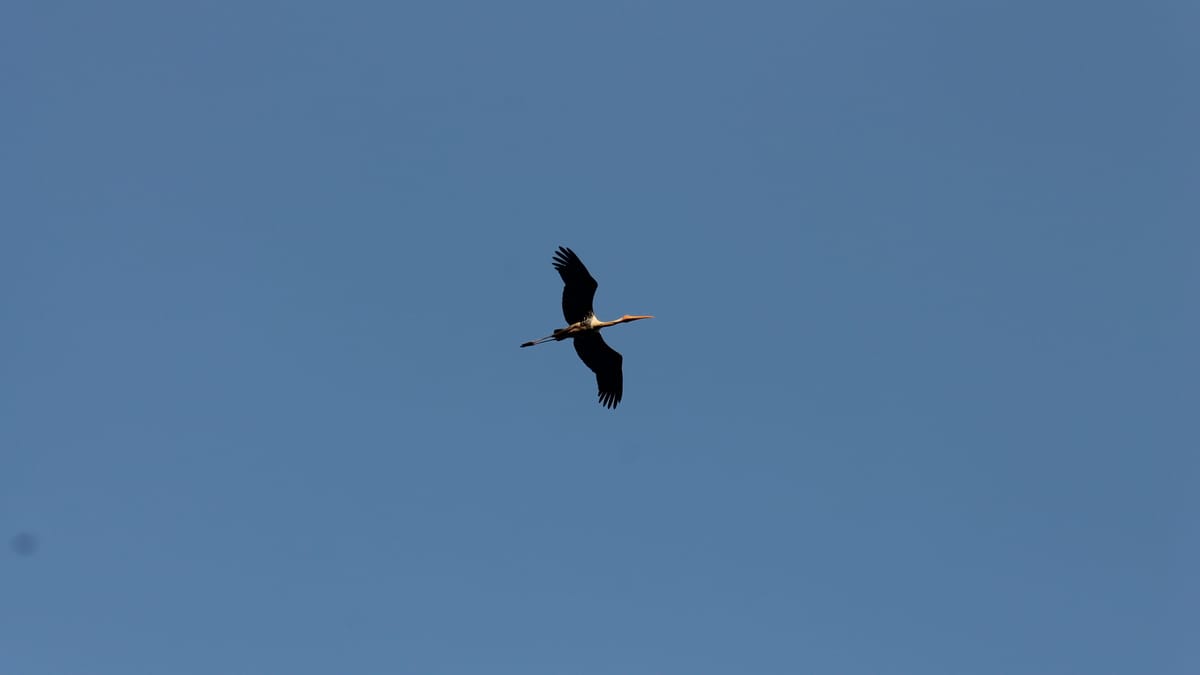
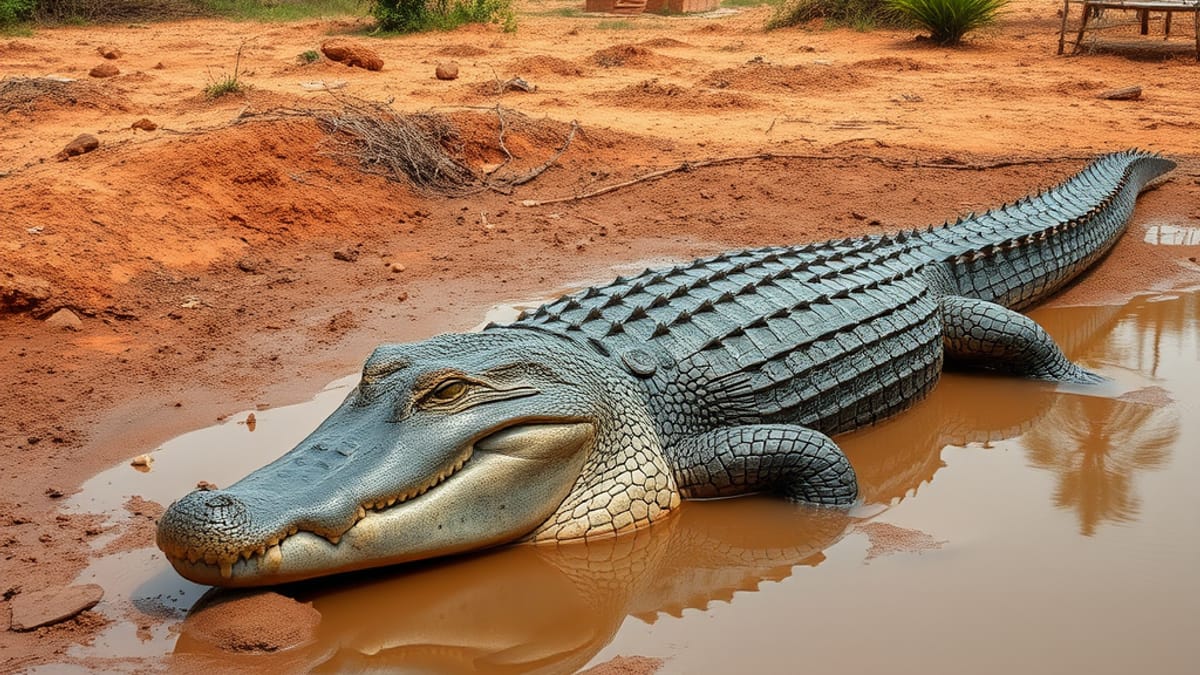
The lagoon flats are never just about the mudskipper. These same exposed mud edges are a feeding ground for painted storks, herons and a long list of waders working the shallows for exactly the same invertebrates and small fish the mudskippers compete with, something covered in more detail in Yala Lagoon and Coastal Birdlife. Mugger crocodiles patrol the deeper channels bordering these flats too, and mudskippers make up a small but real part of what keeps the margins of that food web running, as discussed in The Mugger Crocodile of Yala's Tanks.
It's worth saying plainly that mudskippers are not a headline attraction you book a jeep around. They're a bonus, the kind of detail a sharp-eyed tracker will point out while you're waiting near a lagoon for something bigger to show up. But once you've actually watched one skip, climb and stare back at you with those strange periscope eyes, it tends to stick with you longer than the tenth photograph of a sleeping leopard.
Practical Notes for Spotting Them
Bring binoculars if you have them, since mudskippers are small and their colouring blends into the mud almost completely until they move. Low-angled morning or late-afternoon light helps enormously, both for visibility and for photography, since it throws shadows across the flats and makes the fish's silhouette pop against wet mud. A stationary jeep near a falling-tide lagoon edge, with the engine off, is far more productive than driving slowly past, since mudskippers are easily spooked by vibration and motion and will dart back to their burrows at the first sign of disturbance.
If you're planning a visit specifically around lagoon wildlife rather than big cats, it's worth cross-checking tide behaviour and seasonal water levels against the general planning advice in When to Visit Yala, since the dry season changes how much mudflat is exposed at any given time.
Sources
- Mudskipper, Wikipedia, https://en.wikipedia.org/wiki/Mudskipper
- Department of Wildlife Conservation Sri Lanka
Ready to see it for yourself?
Book a safari