 YALA
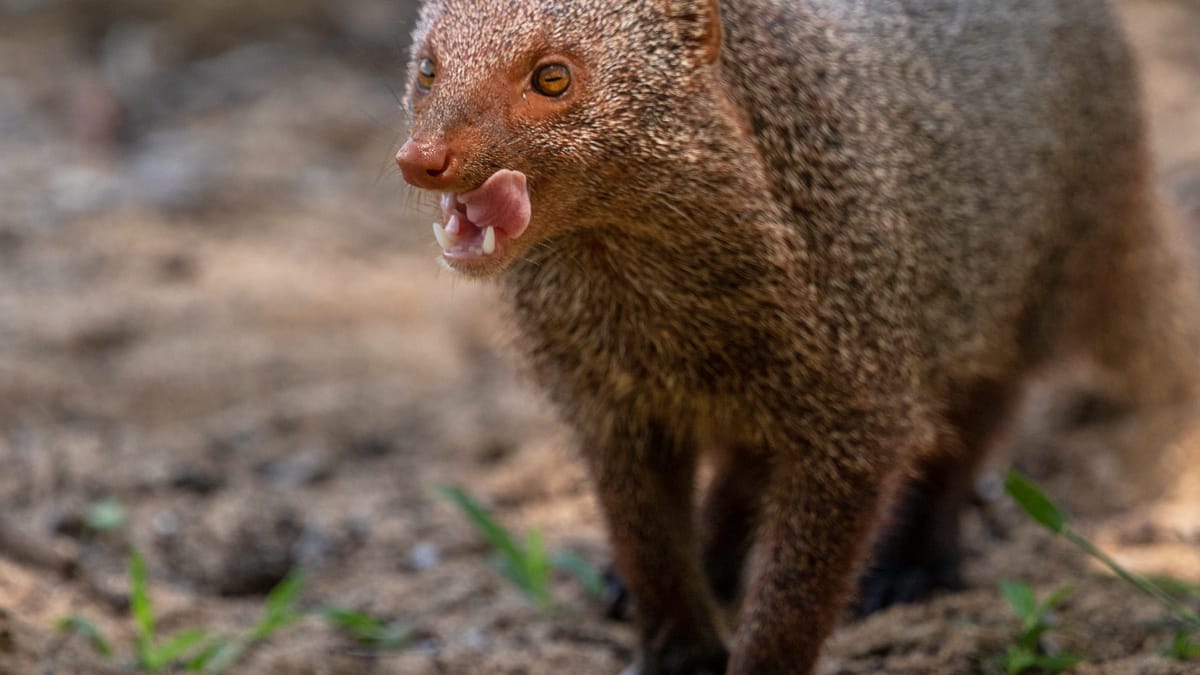
Image: Casey Klebba · Wikimedia Commons (CC BY-SA 4.0)
The Ruddy Mongoose in Yala
Ask a Yala guide what just darted across the track and the answer is usually "mongoose", said the way you'd say "sparrow", a catch-all rather than an identification. Fair enough. Sri Lanka has more than one species doing the same low, fast, business-like scuttle through the scrub. But if you slow down and actually look at the one you saw, there's a decent chance it was a ruddy mongoose, and it deserves a better look than a shrug.
The ruddy mongoose (Herpestes smithii) is the less famous of Yala's two common mongoose species, sharing the park with the smaller, greyer, far more frequently seen Indian grey mongoose. Ruddy mongooses are less numerous, more attached to woodland cover, and less inclined to potter about in the open near jeep tracks, which is exactly why most visitors never clock that they've seen a different animal at all.
Telling It Apart From the Grey Mongoose
The name is the giveaway once you know what you're checking. Ruddy mongooses carry a warmer, rustier, sometimes almost reddish-brown wash through their coat, especially along the body, compared to the flatter iron-grey of the Indian grey mongoose. The most reliable field mark, though, is the tail. A ruddy mongoose's tail has a distinct black tip, a small dark flourish at the very end, which the grey mongoose lacks. It's a subtle thing to spot on an animal moving at speed through leaf litter, but trackers use it constantly, and it's worth asking your driver to point it out the next time one crosses.
Size is a secondary clue. Ruddy mongooses run slightly larger and more solidly built than their grey cousins, though the difference is not always obvious unless you see both species close together, which does happen occasionally along the same stretch of scrub in a single morning.
Where and When You're Likely to See One
Ruddy mongooses favour drier forest and dense scrub over open grassland, which puts them more often in the thornier interior blocks than out on the wide plains near the tanks where grey mongooses and other generalists thrive. In Block I, sightings tend to cluster around the denser vegetation corridors rather than the open areas near Patanangala or the larger water bodies. They are solitary or loosely paired hunters, not the small troupes some mongoose species form, and they are diurnal, most active in the cooler hours of early morning and late afternoon, retreating from the harsh midday sun the way most of Yala's smaller mammals do.
Exact population figures for ruddy mongoose in Yala aren't publicly tracked by DWC in the way leopard or elephant numbers are, and no dedicated survey data is widely published, so anyone quoting a precise count for this species should be treated with suspicion. What guides will tell you, consistently, is that sightings are real but not routine, more a stroke of luck during a quiet drive through cover than something you can plan a morning around.
What They're Actually Doing
Mongooses have a reputation, largely from old stories and cartoon depictions, as snake-killing specialists. It's not wrong exactly, but it oversells the point. Ruddy mongooses are opportunistic hunters that take a broad diet of insects, small reptiles, rodents, ground-nesting bird eggs and the odd amphibian, and snakes are part of that list rather than the whole of it. Their famous resistance to snake venom is real (mongooses have modified receptors that make them less vulnerable to certain neurotoxins), but a ruddy mongoose crossing your track at eight in the morning is far more likely to be after a skink or a beetle than squaring up to a cobra.
Watch one for a minute if you get the chance rather than just snapping a photo and moving on. They hunt by scent and sound as much as sight, nose down, moving in short bursts with pauses to listen, occasionally standing up on the hind legs for a better view over grass, a posture that photographs well and looks almost meerkat-like for a second before they drop back down and keep moving.
Why This Small Animal Matters to the Bigger Picture
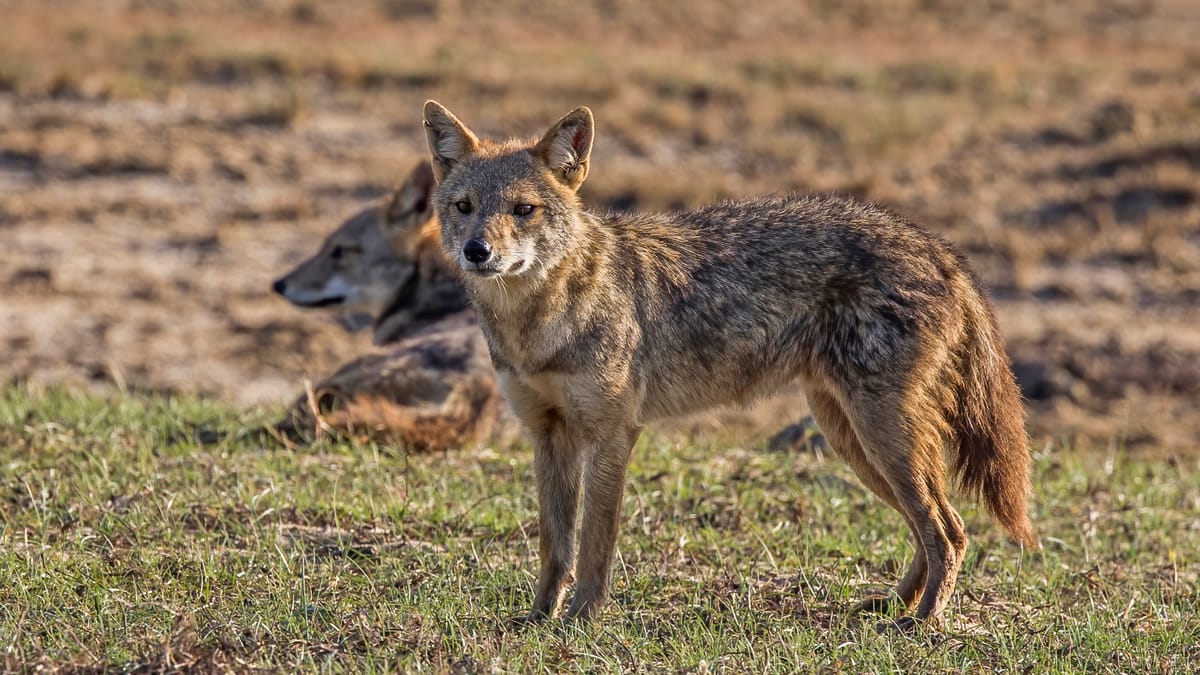
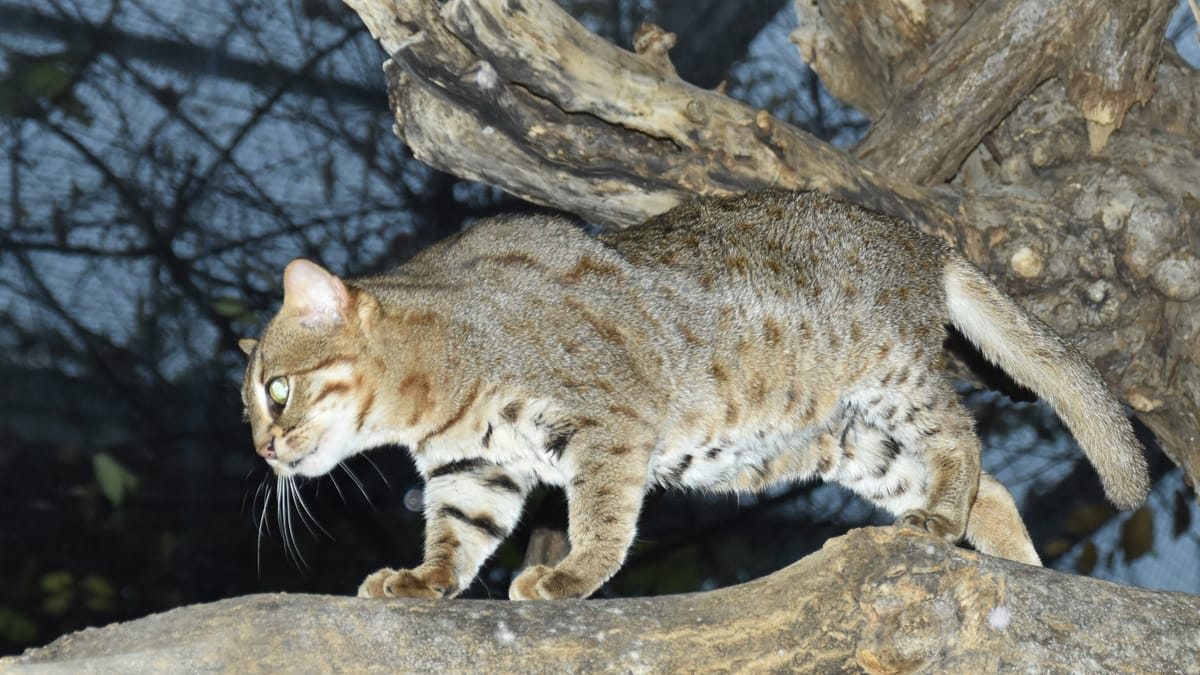
It's tempting to treat mongooses as filler between leopard sightings, the thing you watch while the jeep waits for a bigger story to develop. That undersells their role. Small predators like the ruddy mongoose sit in the middle of Yala's food web, controlling rodent and insect populations while themselves being prey for larger carnivores and raptors. A park with a healthy scatter of mid-sized predators, mongooses, jackals (see The Sri Lankan Jackal in Yala), and smaller cats such as the rusty-spotted cat, is generally a park in reasonable ecological shape. Their presence, in other words, is a quiet but genuine indicator of habitat health, not just a bonus sighting.
They also make a useful lesson in observation for visitors who arrive expecting only the headline species. Yala's reputation rests on leopard density and elephant herds, and rightly so, but the park's real texture, the thing that rewards a second or third visit, is in noticing that the "mongoose" from yesterday's drive and the one you're looking at now are not actually the same animal. It costs nothing extra to look for the black tail tip. It just requires slowing down, which is generally good advice for a Yala safari anyway.
A Practical Note for Spotting One
Because ruddy mongooses lean toward denser cover, your best chance often comes not on the wide, popular loops but on quieter interior tracks where the vegetation closes in a little. Early morning drives, particularly in the cooler months, tend to produce more ground activity generally, since the animal is less inclined to move once the heat sets in. If your driver mentions a "mongoose" without further comment, it's worth a polite follow-up question. Half the time it's grey, and that's fine too, but the other half is exactly the kind of small, easily missed detail that separates a good Yala trip from a great one.
Sources
- Department of Wildlife Conservation Sri Lanka
- General ecological literature on Herpestes species of the Indian subcontinent and Sri Lanka (IUCN species accounts, general wildlife references)
Ready to see it for yourself?
Book a safari