 YALA
YALA
What to Pack for a Yala Safari: The Real Checklist
Most packing lists for Sri Lankan safaris read like they were written for a beach holiday that happens to include a jeep. Sunscreen, a hat, mosquito spray, done. That gets you through the day, but it doesn't get you the photo, the comfort, or the dust-free camera you were hoping for.
Yala is dry, bright, bumpy and genuinely hot for most of the year. What you pack should be built around those four facts, not around a generic tropical holiday template.
Start With the Vehicle, Not the Weather
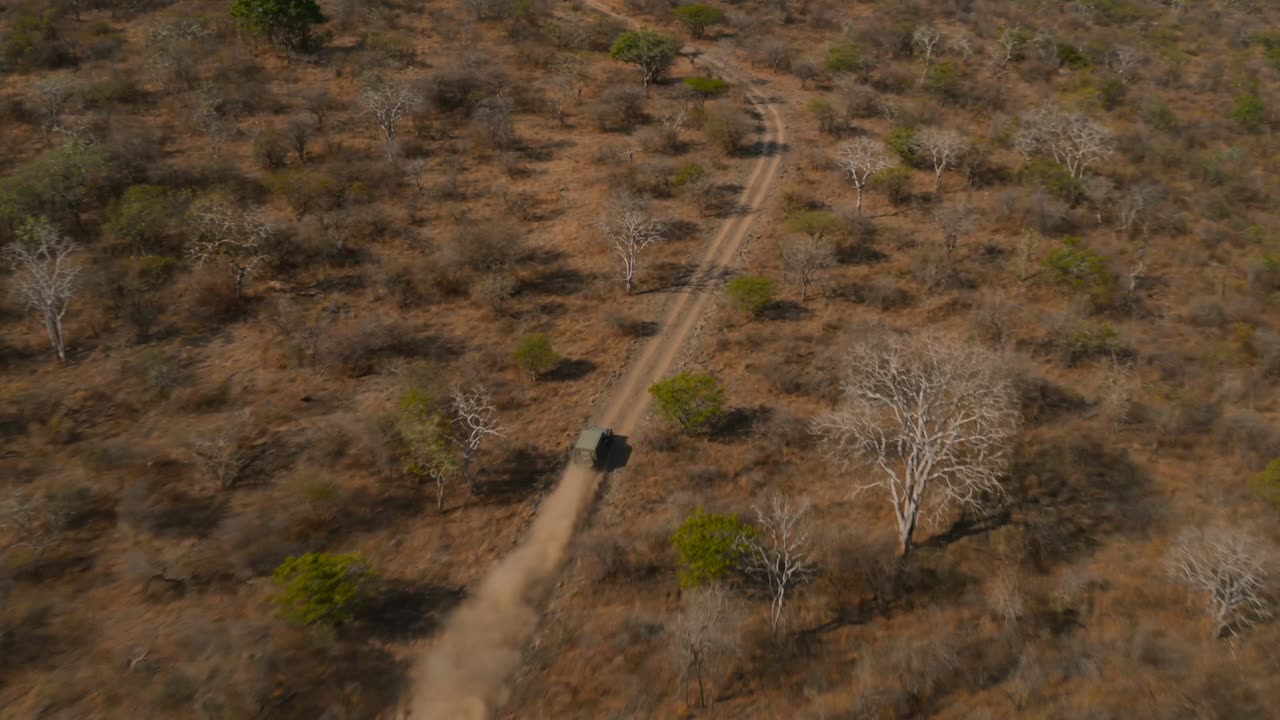
A Yala game drive means two to six hours in an open-sided 4x4, on tracks that range from packed earth to loose, pale sand that throws up dust in a following wind. Sit with that fact before you pack.
The dust matters more than most first-timers expect. From around May through September, the dry season strips the vegetation back and the tracks turn powdery. A jeep two vehicles ahead of you can leave a haze that drifts for a full minute. Anyone with a DSLR or mirrorless camera should bring a rain cover or dry bag even in the driest month, because it does double duty as a dust cover. A UV filter on the lens is worth it here purely to save the front element, not for image quality.
Bring a buff, bandana or light scarf you can pull over your nose and mouth. It looks slightly ridiculous in photos and works extremely well.
Clothing: Neutral, Layered, Nothing New
Colour matters less for the animals (leopards and elephants are not colour-sensitive to bright fabric the way some safari mythology suggests) and more for your own comfort and for not standing out to your guide, who has enough to manage without explaining why your white t-shirt is now orange.
Stick to muted greens, khakis, browns and greys. Avoid pure white (glare, shows dust instantly) and avoid black (heat absorption, and it's the colour many biting insects seem to prefer). Long, lightweight cotton or technical-fabric trousers beat shorts for the first and last game drives of the day, when the air is genuinely cool, and for the middle of the day, when sun exposure through an open jeep side adds up faster than people expect.
Layering is the trick most first-timers miss. Yala mornings, especially around Palatupana and the areas near the coast, can be surprisingly cool at a 5.30am gate opening, then climb into properly hot territory by 9am. A light fleece or windbreaker that packs down small solves this without taking up a bag slot.
Closed shoes, not sandals. You'll be getting in and out of the jeep at rest stops, occasionally on uneven ground, and there is no upside to open toes in a park with ticks, ants and the odd loose stone.
The Non-Negotiables Locals Actually Carry
Ask a Yala tracker or long-time driver what they never leave the gate without, and the list is shorter and more specific than the tourist version.
Binoculars, a proper pair, not a toy set. Yala's leopards are frequently spotted at real distance, resting in the shade off a track rather than posing beside it, and a lot of the park's best birding (storks, hornbills, the elusive black-necked stork if you're very lucky) happens well beyond the reach of a phone camera. If you're serious about sightings beyond leopard and elephant, this is the single highest-value item in the bag.
A refillable water bottle, ideally insulated. Jeeps rarely carry more than a token supply, and dehydration creeps up quietly in an open vehicle with wind on your face masking how much you're sweating. Two litres per person for a half-day drive is a reasonable minimum, more for a full-day block.
A dry, reusable snack. Game drives run long, gates close for a midday break but the drive itself can outlast anyone's patience for an empty stomach, and there's nothing at most points inside the park itself.
A basic first-aid kit is worth having in the vehicle rather than assuming the driver carries one, though most reputable operators do.
Cameras, Phones and the Truth About Zoom
A phone camera will get you a lovely photo of the landscape, the tank at dawn, the jeep queue at a sighting. It will not get you a usable photo of a leopard forty metres off in dappled shade. If wildlife photography is the point of the trip, at minimum bring a camera with real optical zoom, not digital zoom, which just crops and degrades.
Spare batteries and memory cards matter more here than almost anywhere, because there's no shop inside the park and the nearest town, Tissamaharama, is a drive away once you're in for the day. Cold mornings and constant use drain batteries faster than expected.
A beanbag or small stabiliser for resting a long lens on the jeep's roll bar makes a genuine difference on rough tracks, where a monopod is often useless and a tripod is impossible in a moving vehicle.
What to Leave at Home
Perfume and strongly scented sunscreen or insect repellent. Animals have far better noses than people give them credit for, and guides will sometimes ask visitors to switch to unscented products before a drive, particularly near water sources like Yala's tanks where mugger crocodiles and waiting predators rely heavily on scent and stillness.
Bright or patterned clothing, loose jewellery that jingles, anything that makes noise when you shift in your seat. Sound travels oddly well across open scrubland, and a quiet vehicle sees more.
Large, heavy tripods, full studio flash setups, or anything that takes more than a few seconds to deploy. By the time it's set up, the sighting has usually moved on.
Packing for Heat, Not for a Postcard
The single most common mistake is packing for the Sri Lanka of the postcards rather than the Sri Lanka of an actual dry-season game drive: dust, glare, long stretches of stillness punctuated by short bursts of adrenaline when something appears. Sunscreen (reapplied, not just applied at 6am), a wide-brimmed hat that won't blow off in an open jeep (a strap helps enormously), and sunglasses with UV protection are the baseline, not the whole list.
Exact daytime temperatures and dust conditions vary by month and by which part of the park you're in, and general advice here can't substitute for checking conditions closer to your actual travel dates, but the core principle holds across the year: pack for sun, dust and long stretches in an open vehicle, and everything else follows from that.
Sources
- Department of Wildlife Conservation Sri Lanka
- General well-established knowledge of Sri Lankan dry-zone climate, safari vehicle conditions and wildlife photography practice
Ready to see it for yourself?
Book a safari