 YALA
YALA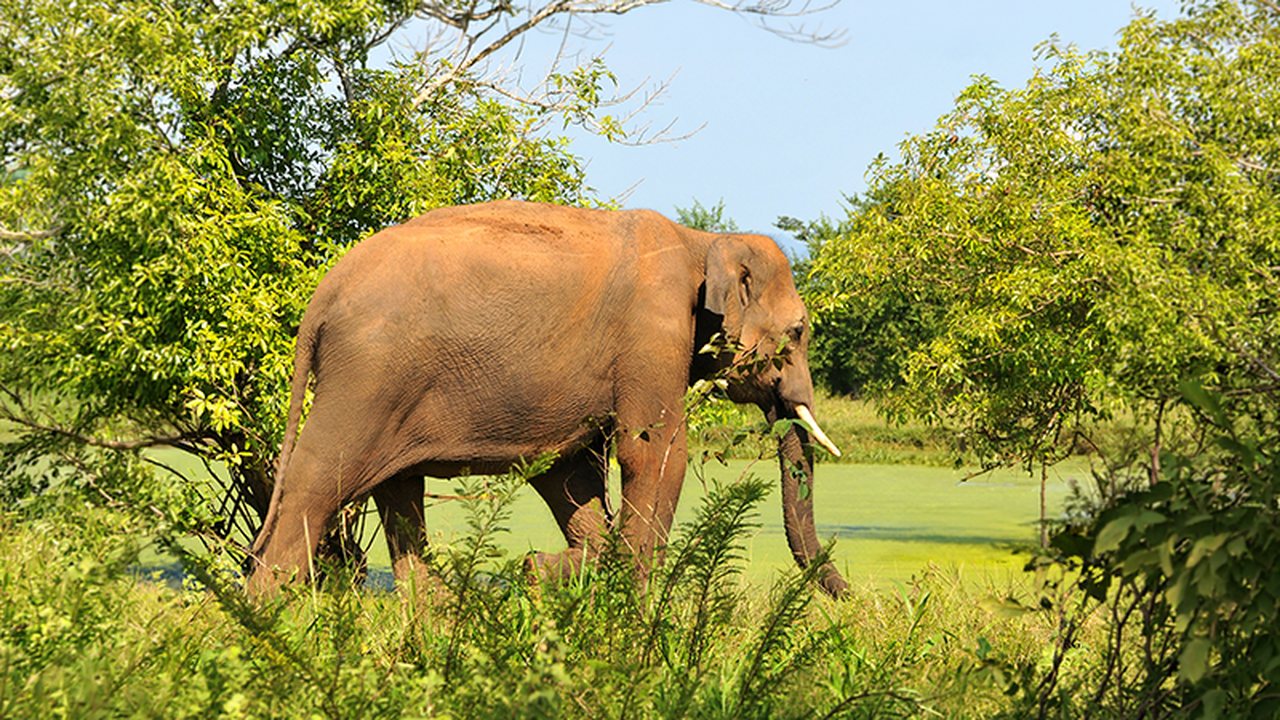
Yala Block 2: The Raw Reality Beyond the Menik Ganga
Yala Block I draws the crowds: hundreds of jeeps at dawn, a leopard call pulling 30 to 50 vehicles into one clearing within minutes. Block II is the opposite experience entirely. Stretching along the southeastern coast between the Menik Ganga and the Kumbukkan Oya, it is Yala at its least managed: no habituated wildlife, no easy photographs, no promise you will see much of anything. You don't cross into Block II for leopards. You cross for the wilderness itself, and for what it takes to move through it.
Logistics, convoys and terrain realities
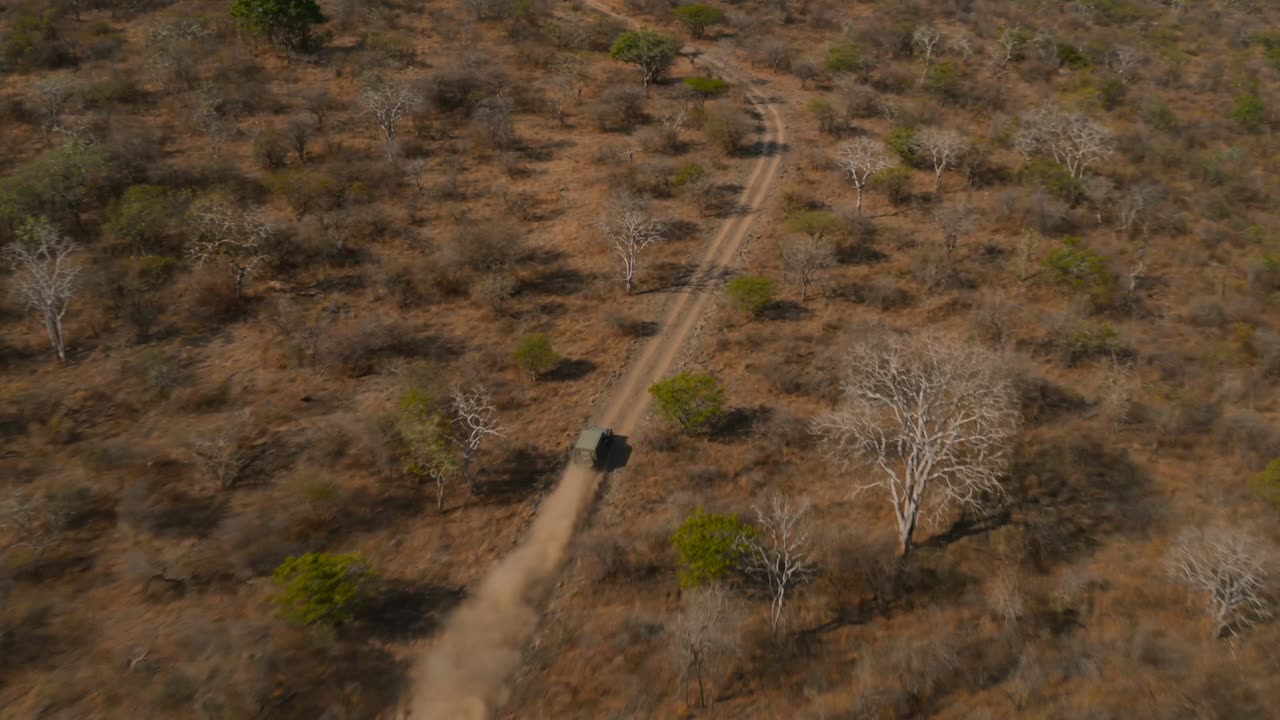
Standard safari jeeps do not survive this ground. A crossing needs heavily modified four-wheel-drive vehicles: raised suspension, a recovery winch, and a driver who has pulled a bogged vehicle out before. Park authorities frequently enforce a two-jeep convoy rule for exactly this reason. If a vehicle sinks into deep coastal clay or river sand out here, help is hours away, not minutes.
A Department of Wildlife Conservation ranger must join the vehicle before it crosses the river, a mandatory escort rather than a formality. Cell signal disappears the moment you ford the Menik Ganga. In the rainy months the rivers rise fast: passengers disembark and wade through deep mud on foot while drivers force the empty jeep through the current alone. Expect to arrive wet, muddy and worn out (that is simply what the crossing costs).
Wildlife on its own terms
Block II's animals carry none of Block I's habituation. Leopards hear the engine long before the jeep arrives and retreat into dense scrub; sightings, when they happen, are brief and genuinely earned rather than radioed in. See what makes Block I's leopards so different and the contrast becomes obvious fast.
Elephants are the real danger here. Lone bulls and matriarchal herds have no tolerance for vehicles or people, and they charge without warning. Park bungalows offer little real protection: at New Buthawa, a guest sleeping on an open corridor bed once woke to the crack of heavy branches and found a solitary bull standing ten feet away in the dark. Staying silent and motionless until it wandered back into the forest wasn't a story to laugh about afterward; it was luck, on an unbarricaded porch, with nothing between the visitor and the animal but stillness. New Buthawa itself isn't currently open for booking, but the encounter is a fair measure of what this block is. Drivers keep the engine running at every stop for the same reason, and reversing at speed out of narrow, thorn-lined tracks is routine here, not an emergency.
Landmarks the guidebooks skip
Block II hides sites most Yala guidebooks never mention:
- Minihagalkanda: a stark coastal cliff formation on the block's southeastern edge, its colourful eroded strata compared by geologists to a miniature Grand Canyon. Miocene marine fossils sit embedded in the rock.
- Pilinnawa: the estuary where the Menik Ganga meets the ocean, once a sheltered natural harbour for ancient maritime traders. Weathered stone pillars still stand near the shoreline; safaris use the isolated beach point for mandatory rest stops under ranger supervision.
- Dematagala: the highest rock peak inside the strict nature reserve, rising 265 metres above the canopy. Explorers have recorded 51 drip-ledge caves, Brahmi rock inscriptions from the second century BCE, and the ruins of an ancient stupa at its summit.
- Lunuatugalge: a curved granite overhang rising 400 feet above the forest floor, sheltering a 200-foot cave once used by early Buddhist recluses.
What a crossing actually takes
Leave any expectation of comfort, paved tracks or guaranteed sightings at the Menik Ganga. Pack recovery straps, extra fuel and waterproof dry bags for camera gear before you go in, and plan around the season: rainy months change everything out here. Block II rewards mechanical capability, physical resilience and real respect for wilderness that has never been tamed for viewing, not the other way around.
Standard dawn and dusk runs into Block II's Yalawela grasslands, the gentler side near Palatupana and Katagamuwa, book instantly through our booking engine like Block I. The crossing described here runs as a custom expedition, the Coast & Interior Traverse, built around your dates, the terrain you want, and your tolerance for getting properly stuck.
Ready to see it for yourself?
Book a safari