 YALA
YALA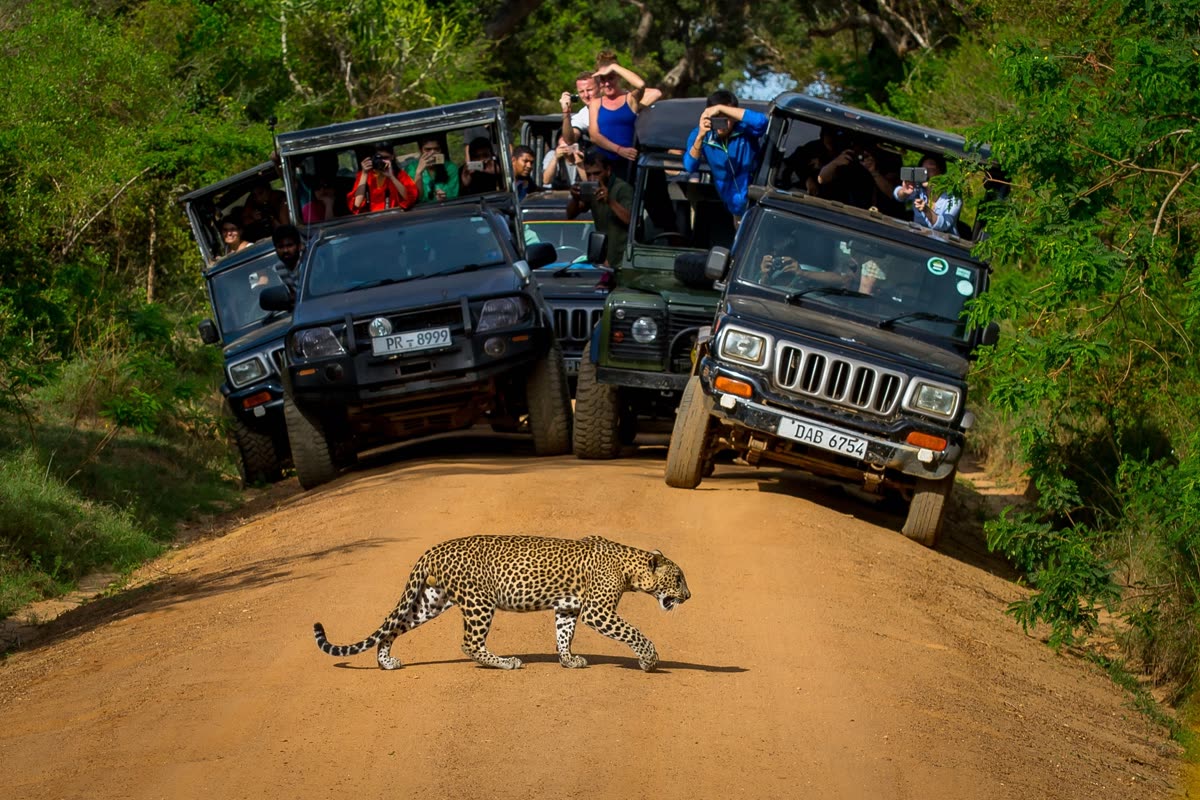
Yala or Udawalawe? An Honest Safari Comparison
Two parks, two very different animals, and a question we get asked constantly on WhatsApp: Yala or Udawalawe? The honest answer is that they're not really competing for the same trip. Here's what each one actually delivers, with real numbers, not marketing copy.
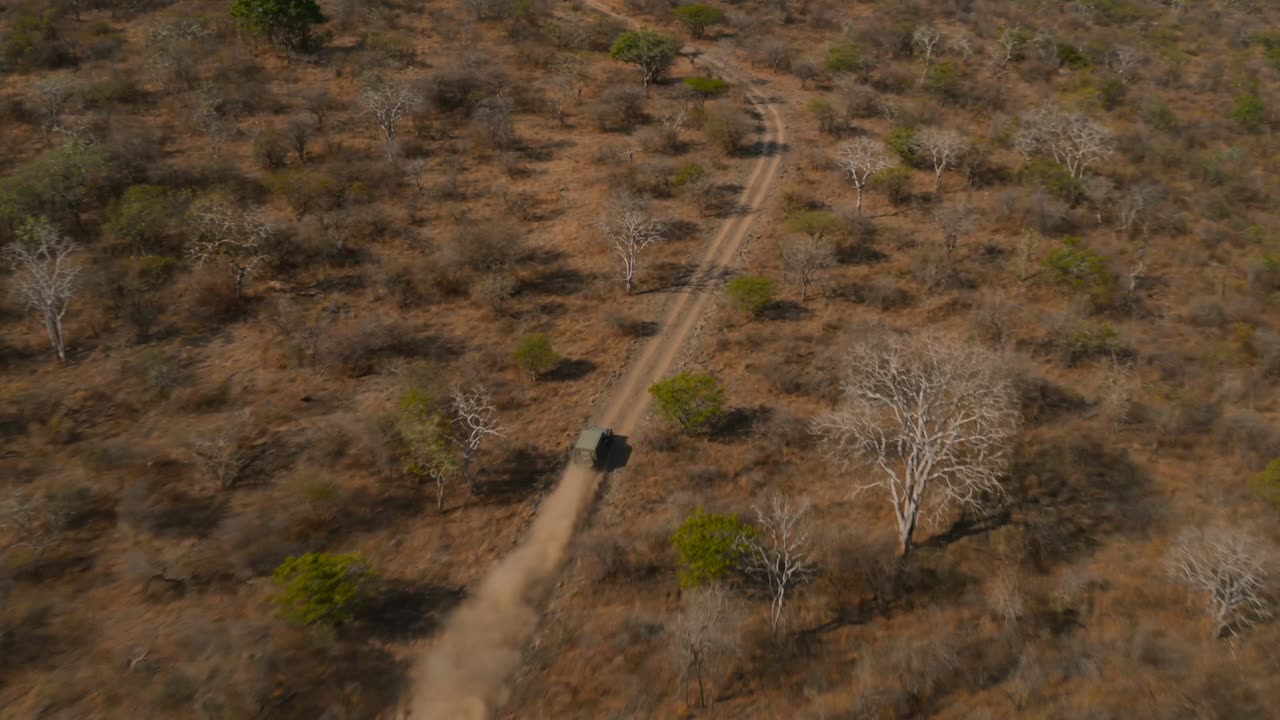
A short look at what a Yala safari morning actually looks like.
Wildlife: leopards versus a guaranteed herd
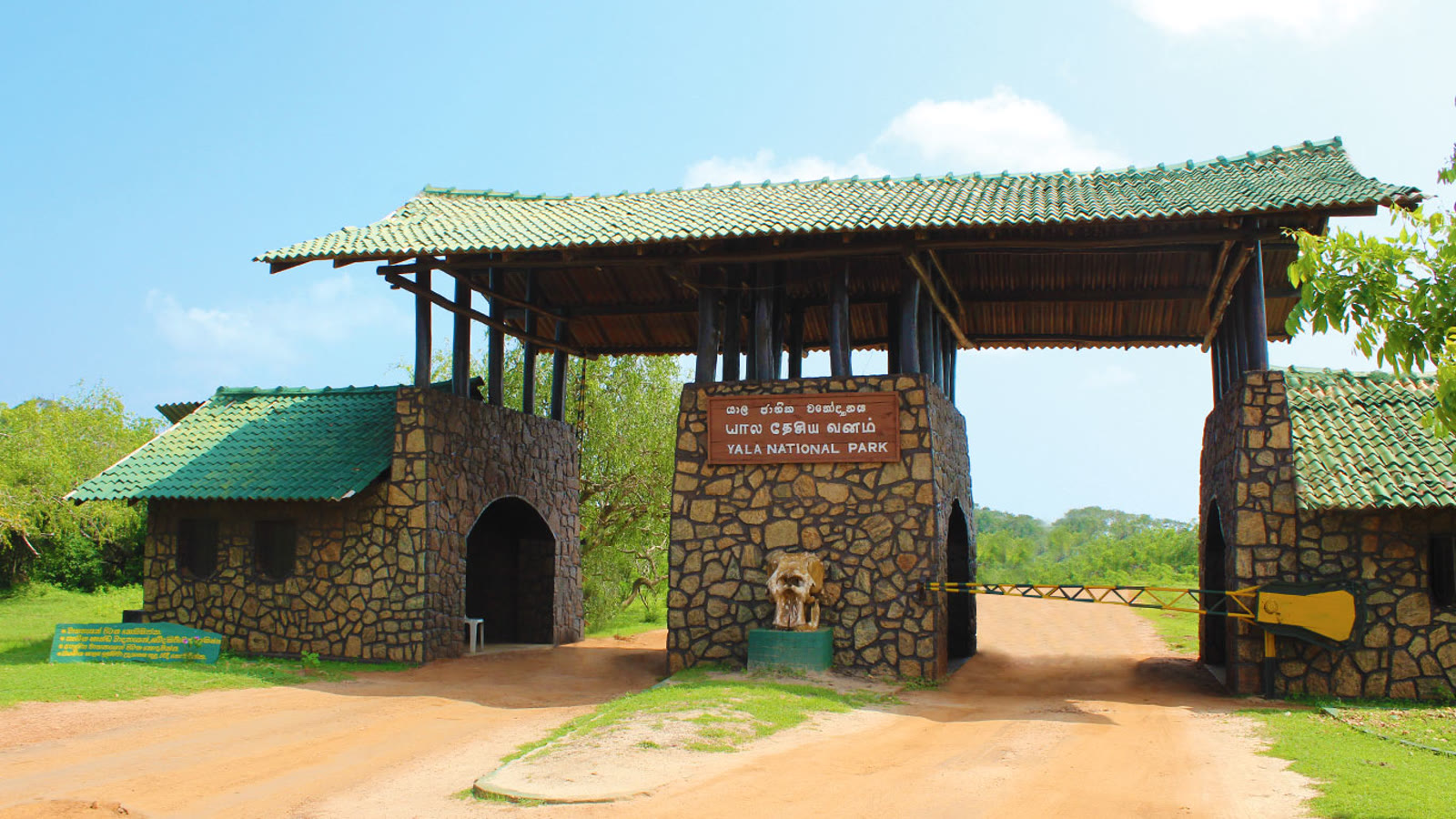
Yala is a leopard park first. Block I alone carries an estimated 25+ resident leopards, one of the highest densities recorded anywhere on Earth, alongside 44 mammal species and 215 recorded bird species across the park's roughly 979 km² of protected dry-zone wilderness. A sighting is likely on a good morning, never certain, that unpredictability is part of what makes it a real leopard, not a captive one.
Udawalawe flips that trade entirely. It's built around a reservoir and its surrounding grassland, home to a resident, non-migratory elephant population estimated at 500 to 700-plus animals. They don't leave for the season the way some herds elsewhere do, so a drive without at least one elephant sighting is genuinely rare. What you lose is variety: leopards are a rare bonus here, not the draw.
Crowds: a Yala problem, or a Block I and timing problem?
This is where most comparisons oversimplify. Yes, Yala's dawn and dusk peak hours at Block I get crowded: a leopard call on the radio can pull thirty to fifty jeeps into one clearing within minutes. That's a real, first-hand-documented part of the park.
What it isn't is the whole park. A full-day run, or a booking into Block II, IV or V, sees a fraction of that traffic, quieter tracks, fewer jeeps, a genuinely different pace. Udawalawe, by comparison, stays calmer across the board: it's a smaller park built around one core loop, so there's less ground to get crowded on in the first place, but also less ground, period.
Park size and terrain
Yala's visitable blocks span around 979 km² of dry-zone forest, scrubland, lagoon and coast, five distinct blocks with three different gates. Udawalawe covers about 308 km², centred on open grassland and the reservoir itself, more uniform terrain, easier to cover in a single drive. Neither is "better" here, it's a question of whether you want variety across a big landscape or a tighter, more predictable loop.
Cost and how each park is usually booked
Rates at both parks vary by operator, season and jeep type, so we won't quote a single Udawalawe figure we can't stand behind ourselves. What we can tell you with certainty is our own Yala rates, since we set them: real-time pricing, DWC tickets included, is always live on our packages page, no placeholder numbers.
So which one should you book?
If you're chasing leopards, want real terrain variety, and can work around a dawn or dusk peak at Block I, or simply book a full-day run or a quieter block, Yala is the stronger trip. If you have one afternoon, want elephants close to guaranteed, and don't need the full range of Sri Lankan wildlife, Udawalawe does exactly that one thing very well.
If you can spare the extra day, don't choose. The parks sit roughly two hours' drive apart, and running a Yala morning followed by an Udawalawe afternoon the next day is a genuinely common, sensible combination, not a compromise.
Curious what an actual booking looks like day to day? r/YalaSafariSriLanka has real trip reports from recent guests, and our YouTube channel carries more field clips like the one above.
Sources
- Udawalawe National Park size and elephant population: Wikipedia, Udawalawe National Park
- Yala wildlife counts and park area: our own Department of Wildlife Conservation-sourced figures, also shown on our Park page
Ready to see it for yourself?
Book a safari