 YALA
YALA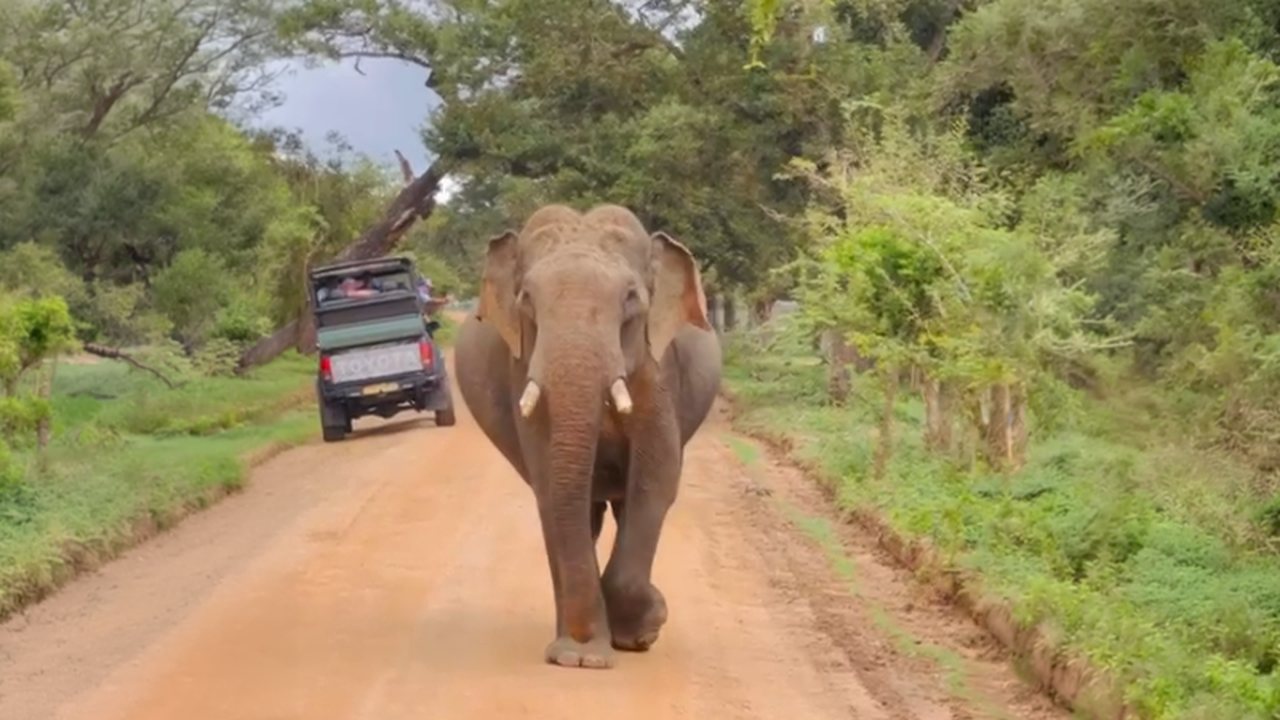
World Elephant Day: What a Sri Lankan Elephant Is Actually Worth
It's World Elephant Day, and somewhere on social media today you'll see the claim that a single Sri Lankan elephant generates USD 2 million in tourism revenue. It's a great number. It's just not the one in the actual research. Here's what economists who ran the numbers actually found, and why the real figure is more interesting than the myth.
What the research actually says
The most rigorous public study on this, run by a group of Sri Lankan economists and published in December 2020, put the overall economic value of a single wild elephant to national tourism at close to Rs. 4 million, or roughly USD 21,400. That's the country-wide average. The real story is how much that number swings by park:
- Minneriya-Kaudulla, the setting of "The Gathering" (one of Asia's largest elephant congregations), came out at around Rs. 10 million per elephant.
- Yala landed at roughly Rs. 1.7 million per elephant.
- Udawalawe came in at about Rs. 1.6 million per elephant.
The study built this from park entry fees, hotel and resort revenue, and safari driver earnings across those three parks, Sri Lanka's highest-density, highest-tourist-appeal elephant habitats. Multiply the national average out across the country's roughly 6,000 wild elephants at the time, and the researchers put the total standing value of Sri Lanka's wild elephant population at over Rs. 23.4 billion, about USD 128 million. Not per year. Just sitting out there in the dry-zone forest, alive.
What a death actually costs
The same study ran the number the other direction. In 2019, Sri Lanka lost 407 wild elephants. At the same per-elephant valuation, that's a wipeout of roughly Rs. 1.6 billion, about USD 8.8 million, in a single year, before you even count what those deaths mean for the animals themselves.
That framing isn't hypothetical for 2026. As of today, at least 180 wild elephants have already died in Sri Lanka this year, from a grim, familiar list: human-elephant conflict as animals search farmland for food and water, electrocution from illegal fences, gunshot wounds, train collisions, and deliberate poisoning. Every one of those is also, in the researchers' own cold accounting, a measurable loss to the tourism economy that keeps village-run safari operators like this one in business.
The population is actually growing
Here's the part worth genuinely celebrating today. Sri Lanka's minimum estimated wild elephant population has climbed steadily across every nationwide count on record: 1,967 in 1993, 5,879 in 2011, and 7,451 as of the most recent count in 2024. Experts urge caution reading too much into the raw trend (survey methods have improved along with the numbers), but the direction is real, and it's the opposite of most of the world's elephant story. Globally, around 400,000 African elephants and only 50,000 Asian elephants remain in the wild; the Asian elephant has been classified endangered since 1986. Sri Lanka is one of the few places on the animal's range where the population isn't just holding on, it's growing.
Where to actually see one
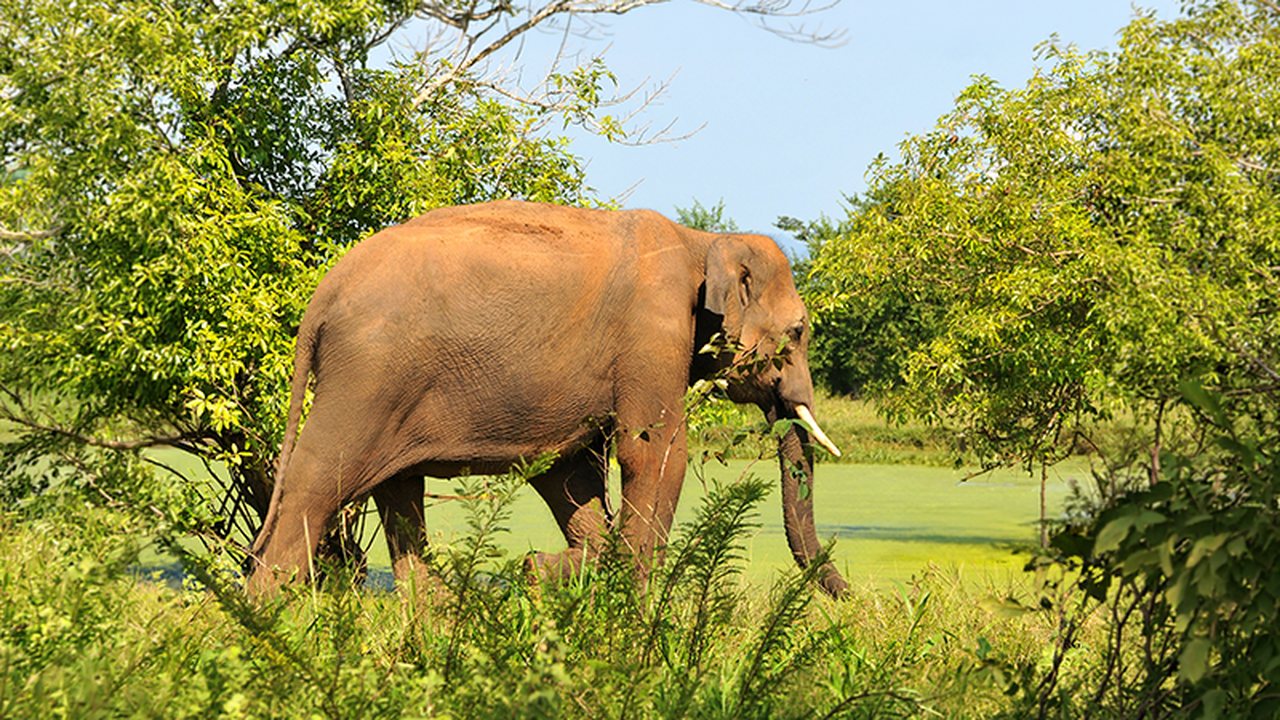
Yala's elephants concentrate around the tanks and lagoons of Block II more than anywhere else in the park, exactly the grasslands-and-water terrain that keeps a herd fed through the dry months. They're also, unlike Block I's famously camera-ready leopards, genuinely dangerous up close: a solitary bull reads a jeep as a threat first and a curiosity second. Respect that, keep the distance a good tracker insists on, and you're looking at one of the most economically consequential animals on the island, in person, doing exactly what the research says it's worth doing: bringing people back to Sri Lanka.
World Elephant Day was established in 2012 to put a single day of global attention on exactly this mix of numbers: poaching, habitat loss, and the welfare of elephants in the wild and in captivity. The tourism figures above are one honest argument for why that attention pays for itself. Book a safari and you're one small, real line item in the number that keeps this animal worth protecting.
Sources
Ready to see it for yourself?
Book a safari