 YALA
YALA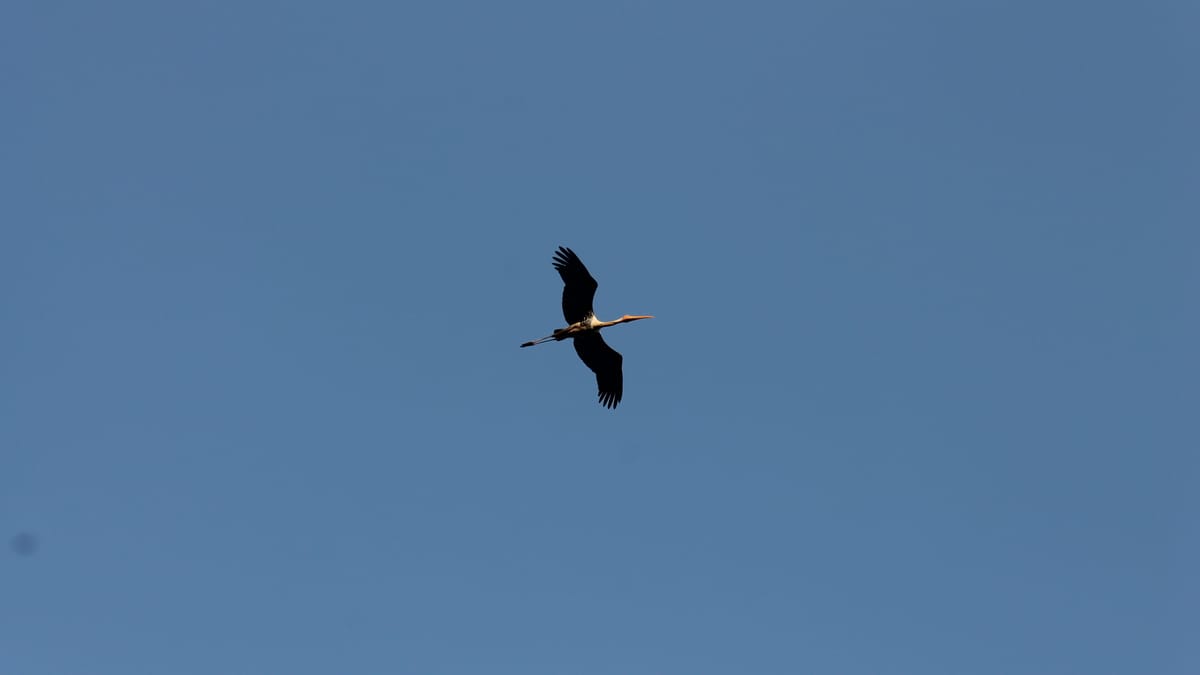
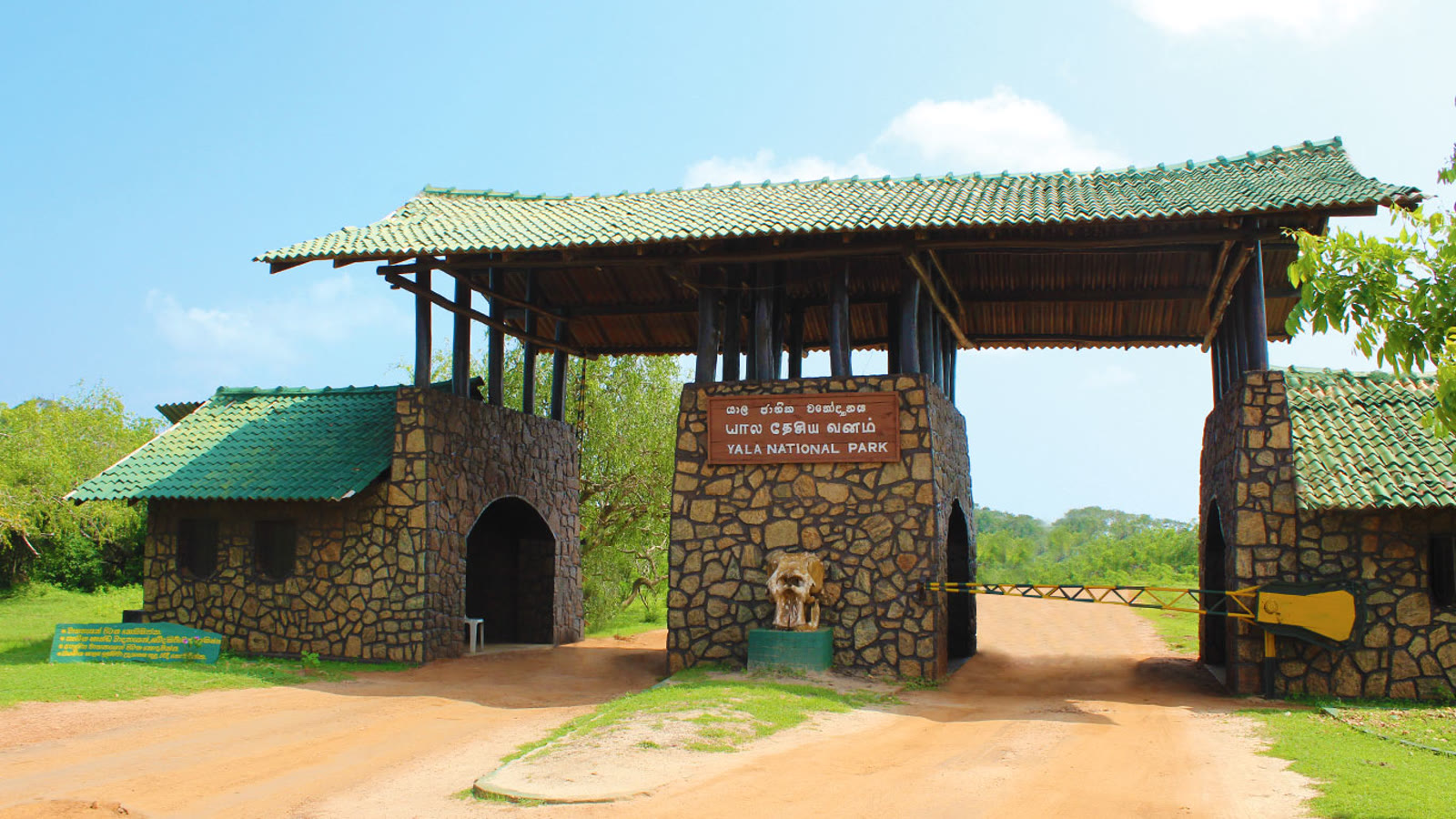
Image: WMKKalhara · Wikimedia Commons (CC BY-SA 4.0)
Yala Lagoon and Coastal Birdlife: The Park's Other Safari
Say "Yala" to most people and they picture a leopard on a rock. Fair enough, that's the marketing. But a good chunk of the park's boundary is water, not scrub, and that water is doing a lot of quiet work for Sri Lankan wildlife that never makes the postcard.
Yala sits where the dry zone meets the Indian Ocean, and that junction produces lagoons, brackish lakes and stretches of coastal wetland alongside the thorn forest everyone associates with the park. These water bodies aren't an afterthought. They're the reason Yala supports the density and variety of life it does, leopards included, because prey animals cluster near water and predators follow.
What "the lagoon" actually means here
People often talk about "Yala Lagoon" as if it's one single feature. In practice the park's coastal zone is a patchwork of lagoons, brackish lakes and seasonal wetlands strung along the shoreline and just inland from it, some permanent, some shrinking to mudflats in the dry months. Names like Buttuwa, Uraniya and Manikapola Uttu come up in park literature, and each behaves a little differently depending on rainfall and how connected it is to the sea.
This matters for visitors because it means "the lagoon" isn't a fixed sight you tick off. What you see depends entirely on when you go and which lake or inlet your route passes. A wetland that's a bird-covered sheet of water in one season can be a cracked, dry basin a few months later. If you're planning around water and birdlife specifically, it's worth reading When to Visit Yala before you fix your dates, because the difference between a good lagoon visit and a disappointing one is often just timing.
Why the birds show up
Sri Lanka sits on a migratory flyway used by birds moving between their breeding grounds further north and wintering areas in South Asia. A meaningful share of the birdlife you'll see around Yala's lagoons at certain times of year isn't resident at all, it's passing through or overwintering, which is part of why the mix of species can look completely different across a few months.
Resident water birds, herons, egrets, storks, cormorants, are present in good numbers year round and don't need migration to explain them, the lagoons simply give them shallow water, fish and mudflats to feed on. Painted storks and open-billed storks are commonly reported around the park's wetlands, along with pelicans on the larger lakes. Add in waders working the mudflats at the water's edge, kingfishers along the fringes, and raptors patrolling overhead for anything the wetland flushes out, and a single lagoon stop can turn into a longer birding session than most people expect from what's billed as a leopard safari.
We won't put a species count on it. Exact numbers fluctuate by season and aren't something we'd want to state as fixed fact, and any figure you see quoted elsewhere is likely rounded from older survey data rather than a current tally. What's safe to say is that the lagoon zone is consistently one of the most bird-dense parts of the entire park, migratory season or not.
Coastal birdlife beyond the lagoons
The park's ocean-facing boundary adds another layer. Shorebirds work the open beach and tideline in ways the inland lagoon species don't, and the coastal strip is also where you're more likely to spot terns and gulls that don't bother venturing further into the scrub. It's a genuinely different habitat from the thorn forest jeep tracks most people associate with Yala, even though it's within the same park boundary.
None of this is heavily promoted, partly because it doesn't photograph as dramatically as a leopard mid-stride, and partly because coastal and lagoon routes depend on which block and track your safari happens to cover. Not every jeep safari will pass a lagoon of any size, so if birdlife is genuinely your priority rather than an afterthought, it's worth saying so when you book rather than assuming it's automatically part of the route.
A quieter kind of safari
There's also a practical upside here that has nothing to do with birds. Lagoon stops tend to be less crowded than a leopard sighting, where a dozen jeeps can bunch up along one track. If jeep congestion is something that bothers you, a wetland detour is often the calmest part of the whole drive, and pairs well with the general strategy covered in Beating the Jeep Jam.
The lagoons won't outshine a leopard for most visitors, and that's fine. But treating them as a genuine second act to the safari, rather than a scenic stop on the way to somewhere else, tends to be where the most memorable sightings quietly happen.
Sources
- Department of Wildlife Conservation Sri Lanka
- General ornithological knowledge of Sri Lanka's dry zone wetlands and South Asian migratory flyway patterns
Ready to see it for yourself?
Book a safari