 YALA
YALA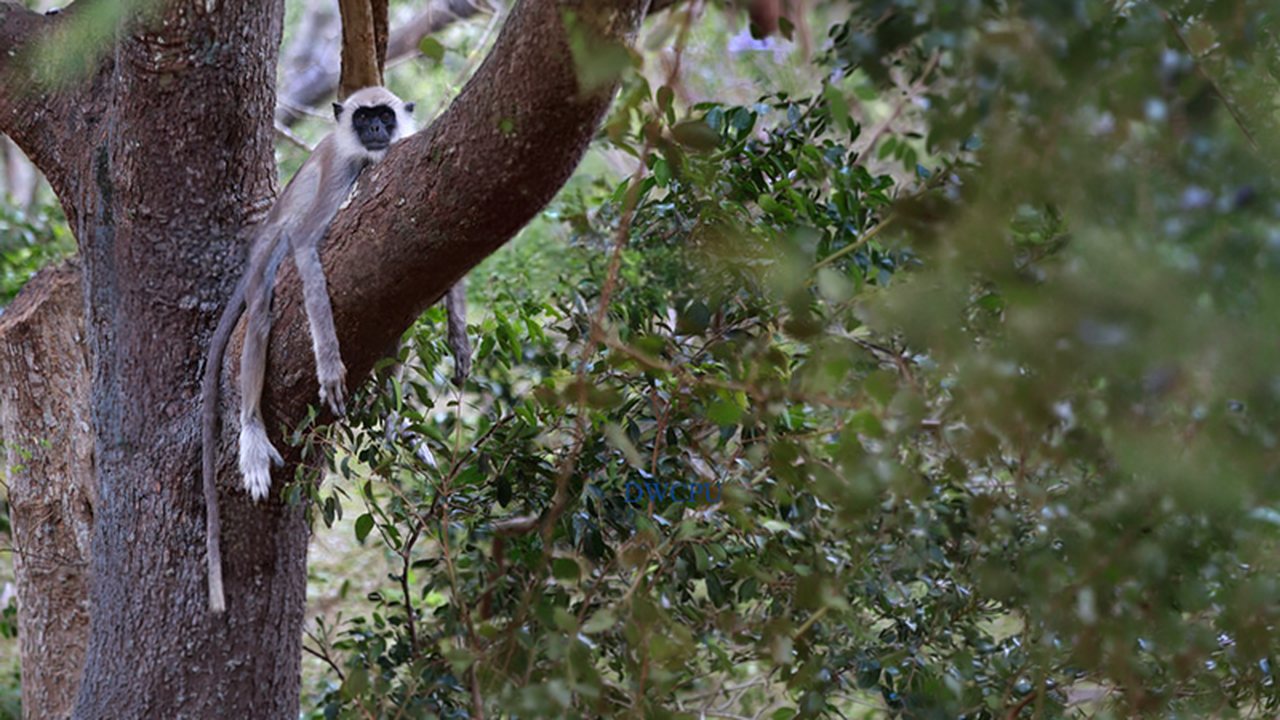
Yala Unfiltered: History, Survival, and Fleet Sanctions Beyond Block 1
Standard tourism handbooks treat Yala as a routine wildlife safari: drive in, get a quick leopard photo in Block I, drive out. The reality runs far deeper. The ecosystem spans 979 square kilometres across the Southern and Uva provinces, and understanding it means looking past the jeep queue at Palatupana, at the park's forgotten history, the brutal realities of Block II, and a fleet crackdown reshaping how safaris run right now.
Colonial foundations and a forgotten history
Yala has a documented history of isolation and abandonment long before it became a park. In 1560, the Spanish cartographer Cipriano Sanchez marked the area on his map as abandoned for 300 years, citing insalubrious conditions. In 1806, Chief Justice Sir Alexander Johnston recorded a detailed account of the region after travelling from Trincomalee to Hambantota, one of the earliest formal European surveys of the terrain.
Colonial administration caught up in 1900: on 23 March, the government proclaimed Yala and Wilpattu as reserves under the Forest Ordinance. The Game Protection Society established a 389 square kilometre reserve between the Menik and Kumbukkan rivers, and the zone between Palatupana and Yala served, at the time, exclusively as a hunting ground for resident sports lovers. The park's first warden, Henry Engelbrecht, was a Boer War prisoner of war who refused to swear allegiance to the British monarch. National park status came decades later: on 1 March 1938, Minister of Agriculture D.S. Senanayake passed the Flora and Fauna Protection Ordinance into law, and Yala National Park existed in the form it holds today.
The raw reality past the Menik Ganga
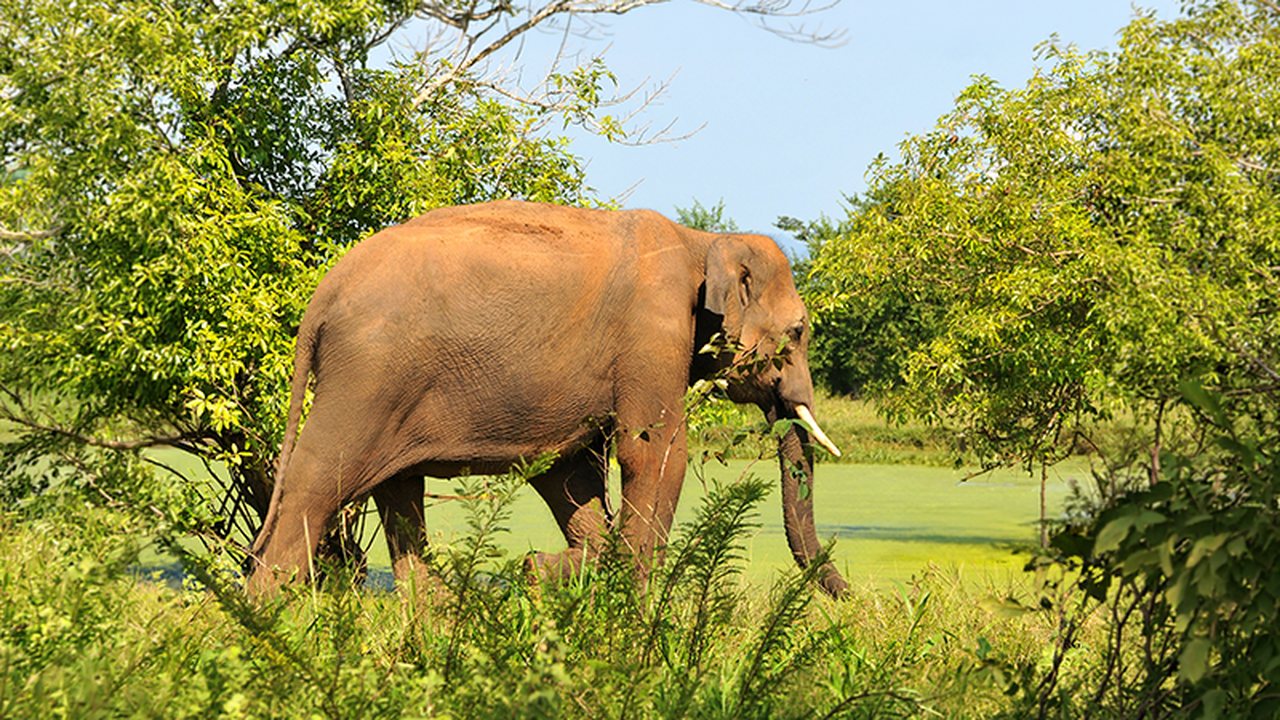
None of that history softens what Block II actually demands. Standard tourist vehicles cannot navigate the terrain between the Menik Ganga and the Kumbukkan Oya: it takes heavy off-road jeeps with winches and raised suspension, a mandatory DWC ranger aboard before the river crossing, and a tolerance for losing cell signal the moment you ford it. Leopards here retreat before the engine noise arrives; elephants read a vehicle as a threat and charge without warning. One night at the New Buthawa bungalow put that danger about as close as it gets: a guest woke to a bull elephant standing ten feet from an open corridor bed. Yala Block 2: the raw reality beyond the Menik Ganga covers the full account, along with what a genuine crossing actually takes to run safely.
The current fleet crackdown
The Department of Wildlife Conservation has locked down vehicle registrations inside Yala. DWC rejected petitions from tour operators to register 175 new jeeps, holding the total registered fleet at roughly 550 vehicles, with a daily park limit of 300 jeeps to contain habitat pressure.
Enforcement now runs partly on the ground: Tissamaharama tour operators and certified guides actively report rule breakers to park wardens, for speeding, driving off-track, cutting off wildlife, and blocking narrow paths. Penalties escalate deliberately. A first offence carries a formal written warning and a fine. A second results in a temporary permit suspension. Repeat offenders face a permanent driver ban, jeep deregistration, and a total ban across every national park in Sri Lanka. It's a blunt system, and it exists because the alternative (an uncapped fleet chasing an uncapped number of sightings) is exactly what turns a park like this into a car park with wildlife in it.
Landmarks and ecosystem integrity
Yala supports 44 mammal species and 215 recorded bird species, including 7 endemics, spread across five blocks that hold more than habitat. Minihagalkanda, Pilinnawa, Dematagala and Lunuatugalge sit inside Block II alone: a coastal cliff formation with Miocene marine fossils, an ancient maritime estuary, a 265-metre granite peak with second-century-BCE Brahmi inscriptions, and a 400-foot overhang once used by Buddhist recluses. Elsewhere in the park, Sithulpahuwa and Magul Vihara remain active, vital pilgrim sites, a reminder that Yala has been inhabited, hunted, worshipped and administered in turns for far longer than it's been photographed.
Yala is a complex mix of ancient history, fragile ecology, and high-risk wilderness, and it stays that way only if it's treated like one. That means strict mechanical standards on every vehicle, absolute discipline on the tracks, and total respect for wildlife that owes visitors nothing. For the full picture of blocks, gates, jeep types and 2026 rates, see the complete Yala safari guide, or book a safari built around whichever side of the park you're actually after.
Ready to see it for yourself?
Book a safari