 YALA
YALA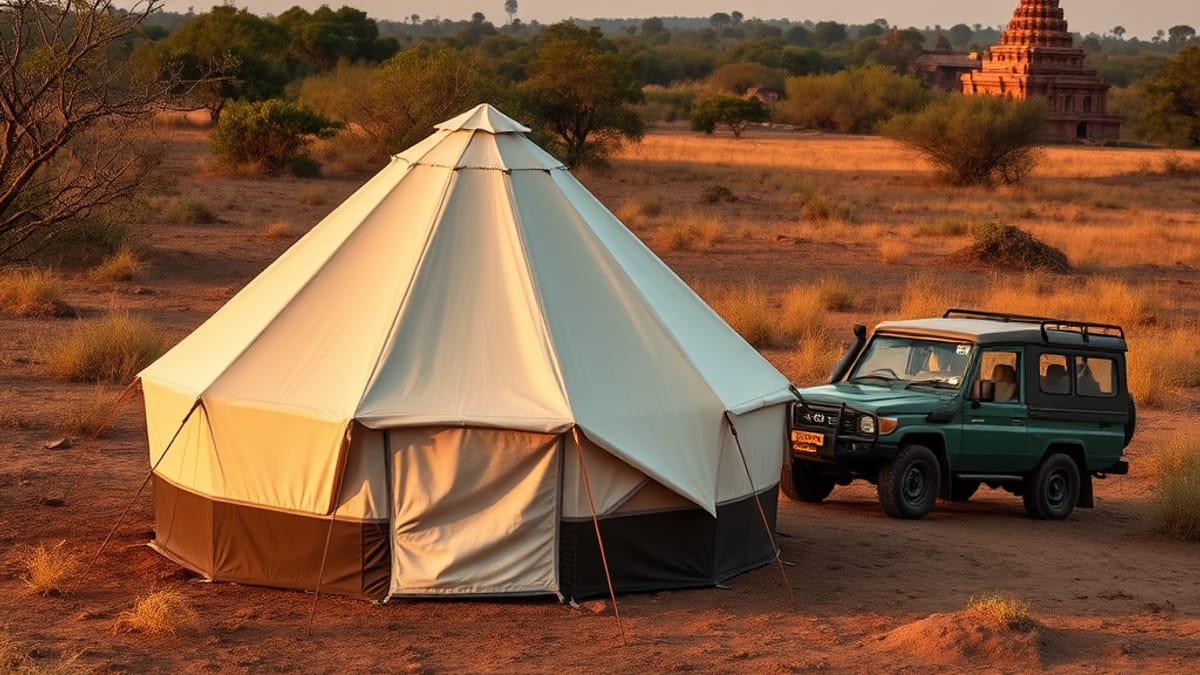
Camping in Yala National Park: Rules, Permits and How to Book
Search "camping in Yala" and you will find photos of tents glowing orange at dusk, captioned with something like "sleep under the African-style stars of Sri Lanka's wild south." It sounds romantic. It is also slightly misleading.
Yala is not a park where you pitch a tent wherever you fancy and build a fire to keep leopards away. It is a strictly zoned, permit-controlled protected area managed by the Department of Wildlife Conservation (DWC), and camping inside it is a regulated activity with paperwork, designated sites and rules that exist because the animals genuinely do not care that you are on holiday.
What Camping in Yala Actually Involves
Yala allows overnight camping, but only at designated sites assigned by DWC, and only as part of a booked, permitted stay. You cannot simply drive in at dusk and set up. Campsites are unfenced clearings inside the park boundary, which means there is no barrier between your tent and whatever is walking past at 2am. Elephants, sloth bears, leopards and the odd curious water monitor all use the same terrain you are camping on.
Because of this, camping trips are almost always arranged through a licensed safari operator or tracker who handles the DWC paperwork, brings the vehicle, and stays with the group overnight. Going it alone as an independent traveller with your own tent is technically possible in principle but rare in practice, mostly because the permit process, vehicle requirements and site allocation are designed around operators who already know the system.
A camping stay typically includes a jeep, a tracker or guide who remains on site through the night, a cook if meals are arranged, and a DWC-appointed site. Fires are permitted in most cases but only in designated spots and under supervision, given how dry the surrounding scrub gets for much of the year.
The Permit System, Honestly
DWC issues camping permits separately from standard safari entry tickets. The process generally works like this: you or your operator apply in advance, usually at least a few days ahead though popular periods can need longer, and the department allocates a specific campsite and date. Fees are charged per person per night and, as with day entry, foreign nationals pay a different rate to Sri Lankan residents. Exact figures shift periodically, so treat any number you read online, including this one, as a starting point to confirm directly with DWC or your operator before you commit, not a fixed price to budget against.
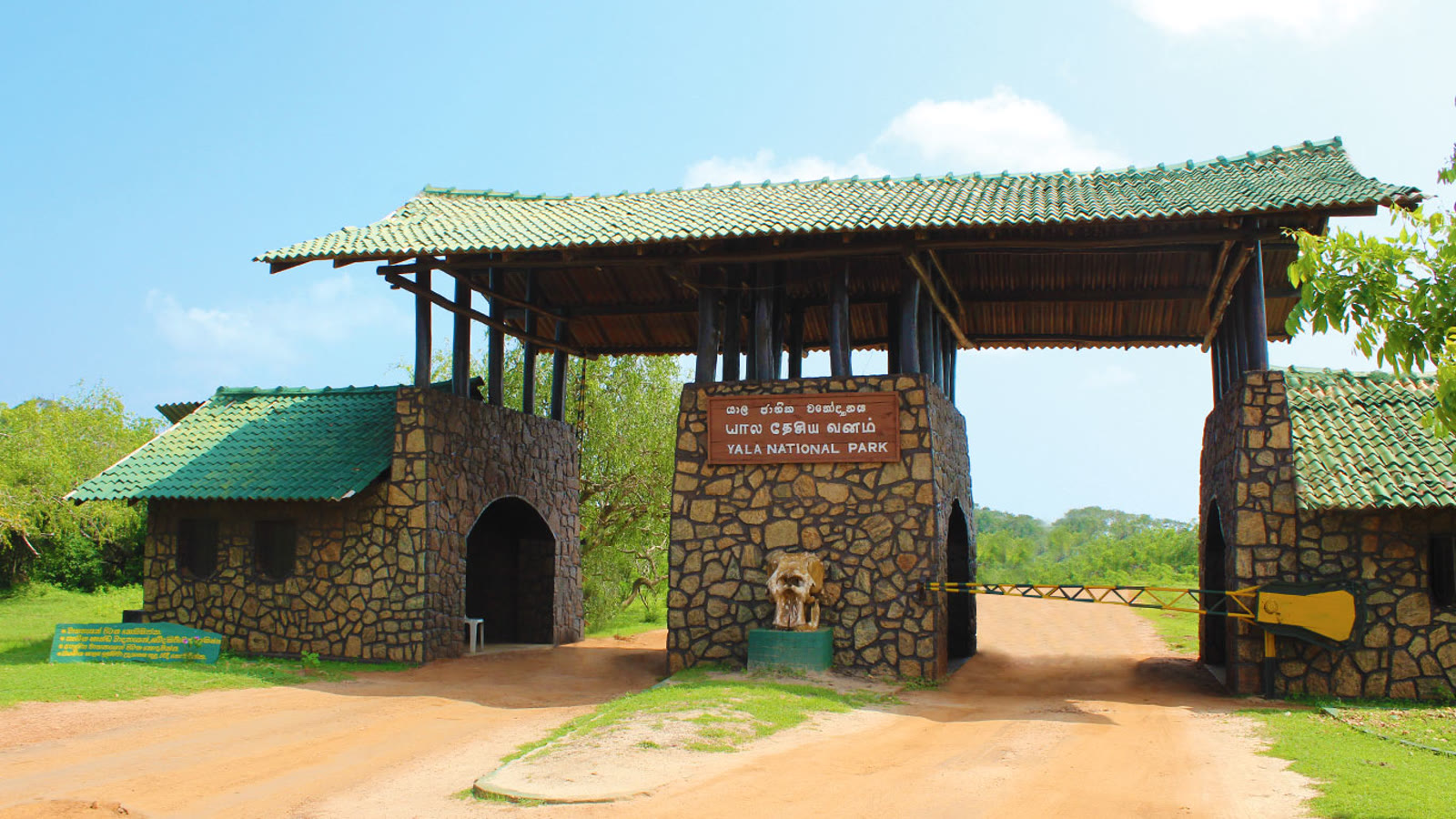
Permits are handled through the Palatupana office, the main administrative gate for Yala Block I, or arranged in advance by an operator who deals with DWC directly. Block I is where the bulk of camping infrastructure sits, since it is the most accessible and most patrolled section of the park. Camping deeper into Block II and beyond is possible but considerably rarer, and requires more lead time and a operator experienced in that terrain.
One thing worth knowing plainly: numbers of camping permits issued each year are not something DWC publishes in an easily searchable way, so if you see a website quoting a precise annual camper count for Yala, be sceptical. It is very likely an invented figure dressed up as fact.
Rules That Exist for Good Reason
Yala's camping rules read like common sense until you remember why they exist.
No wandering after dark. Once the sun goes down, you stay inside the designated camp perimeter and inside your tent unless a tracker says otherwise. Leopards are largely nocturnal hunters and sloth bears are unpredictable at close range in low light, so this is not a suggestion.
No open food storage. Cooking smells and stored food attract everything from mongooses to elephants, and an elephant that has learned a campsite means food is a problem that follows travellers to other parks too.
No loud noise or bright unmanaged lighting through the night. Beyond disturbing wildlife, noise draws animals toward the source rather than away from it, which defeats the purpose of quiet.
No litter, no plastic left behind, and typically no soap or detergent used near natural water sources, since Yala's tanks and waterholes are shared by everything from mugger crocodiles to painted storks and are a lifeline in the dry months, not a campsite amenity.
Fires only where and when permitted. During the driest stretches of the year, generally the first half of the year running into the traditional dry season, fire restrictions tighten because the scrub jungle is genuinely flammable. DWC can and does adjust rules on short notice depending on conditions, which is one more reason to confirm details with your operator close to your travel date rather than relying on something you read months earlier.
Seasonal Timing and Closures
Camping bookings need to work around the park's own seasonal rhythm, not just your holiday dates. Yala's Blocks I and II periodically close for short stretches during the driest part of the year to let vegetation and water sources recover and to reduce stress on wildlife concentrated around the remaining waterholes. These closures are announced by DWC in advance and can affect camping availability directly, since most established campsites sit inside the affected blocks. If your trip falls near the end of the dry season, it is worth checking current closure notices before locking in a camping date, rather than after.
Outside of closure periods, the driest months tend to offer the most dramatic camping experience, since animals cluster more predictably around remaining water and the bush is thinner, meaning better sightings from camp at dawn and dusk. The wetter months bring lusher terrain, fewer other visitors, but a genuinely higher chance of a soggy tent and delayed access on flooded tracks. For a fuller seasonal breakdown, our season guide covers month by month conditions in more depth than fits here.
How to Actually Book
In practice, almost every visitor books a Yala camping trip through a licensed tour operator rather than approaching DWC solo. The operator handles the permit application, campsite allocation, tracker assignment, vehicle, and usually food and equipment too. This is not simply a convenience upsell. It reflects how the permit system is structured, and it also puts an experienced tracker between your tent and the wildlife outside it, which matters more in an unfenced campsite than on a day safari where you never leave the vehicle.
If you want to attempt booking directly, the starting point is DWC's own booking office rather than a generic tourism portal, and you should expect to provide travel dates, group size and nationality details for pricing. Costs run alongside standard safari fees rather than replacing them. Our full price breakdown covers how camping fees typically stack against a standard jeep safari, if you want the numbers side by side before deciding which trip actually fits your budget.
Sources
- Department of Wildlife Conservation Sri Lanka
Ready to see it for yourself?
Book a safari