 YALA
YALA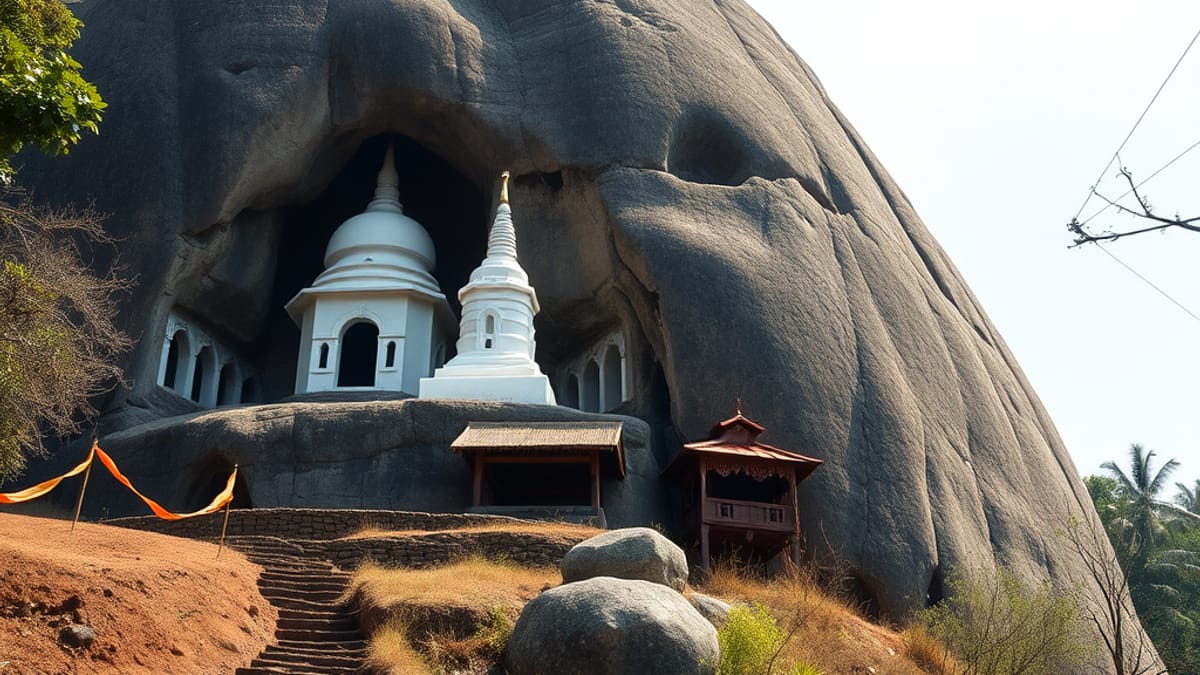
Yala's Ancient Ruins: Sithulpawwa Rock Temple and the Pilgrim Trail
Most people who come to Yala are chasing a leopard sighting. Fair enough. But tucked into the landscape that surrounds the park is something that has been drawing visitors for a great deal longer than wildlife tourism has existed: a rock temple called Sithulpawwa.
It's easy to treat it as a footnote, a quick stop on the way to or from a safari gate. That undersells it. Sithulpawwa isn't a modern add-on built for tour buses. It's an actual monastic site with a genuinely long history, and it sits close enough to Yala's boundary that the two stories, wild animals and ancient worship, have been overlapping for centuries.
A Temple Older Than the Park
Sithulpawwa is generally described in Sri Lankan tradition as one of the older Buddhist monastic complexes in the country's dry zone, with roots that local accounts connect to the era of King Kavantissa, who ruled the region roughly two thousand years ago. As with a lot of ancient Sri Lankan history, precise founding dates are difficult to state with confidence, and we won't pretend otherwise. What's not in dispute is that this was, for a very long time, a functioning forest monastery, not a ruin built for photographs.
The name is often translated along the lines of "hill of the quiet mind," and whatever the exact etymology, the description still fits. Monks are believed to have used the site's caves and rock shelters for meditation retreats, taking advantage of the same qualities that make the surrounding scrub forest good leopard habitat: isolation, shade, and distance from settled life.
Today the temple is an active place of worship, not a fenced archaeological curiosity. Pilgrims climb it, monks live there, and offerings are still made at the shrines. That's worth remembering before treating it purely as a sightseeing stop.
Where the Rock Actually Sits
Sithulpawwa lies close to Yala's boundary, generally reached by road rather than as part of a standard game drive circuit. It sits near enough to the park that the two are often mentioned in the same breath, but visiting the temple itself typically does not require a safari jeep or a park entry ticket in the way that a drive through Block I does. Arrangements and access routes can change, so it's worth checking current details locally rather than assuming last year's information still holds.
The rock itself rises steeply out of flat scrub forest, and the climb to the upper terraces rewards you with a wide view over exactly the kind of dry, low forest that Yala is built from. Standing up there, it's genuinely easier to understand why early monks chose this spot. You can see for a long way, the air moves, and there is a real sense of separation from the ground below.
Walking the Pilgrim Trail
The route up to Sithulpawwa isn't a paved tourist walkway in the theme-park sense. Parts of it are worn rock, parts are stepped, and the climb has some genuine effort in it, particularly in the middle of the day when the dry zone heat is at its worst. Pilgrims have walked this path for a very long time, and many still do it barefoot as a mark of respect, which is a useful reminder that for a lot of visitors this is not a heritage site, it's an active act of devotion.
Along the way there are smaller shrines, older carved elements, and caves that were clearly shaped by human use rather than nature alone. Exact numbers of caves or precise ages of specific carvings aren't things we're going to guess at here, since claims like that circulate a lot without solid sourcing. What can be said plainly is that the trail feels layered, with visible signs of long, continuous use rather than a single construction moment.
Sharing the Path with Wildlife
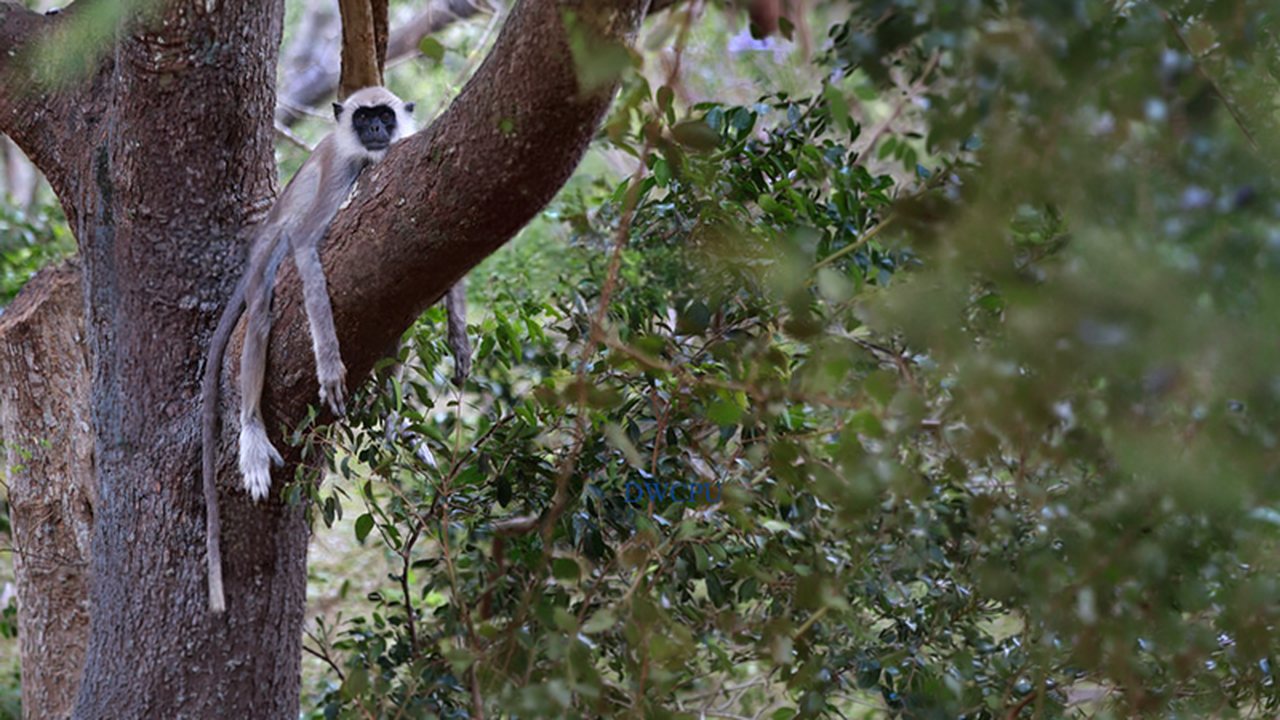
Because the temple sits at the edge of wildlife habitat, animal encounters here are not unheard of. Toque macaques are a near-certainty around the shrines, and they have no particular respect for offerings left unattended. Elephants and even leopards have been reported in the wider vicinity from time to time, though exact frequency isn't something that's formally tracked or publicly reported, and it would be irresponsible to suggest a wildlife sighting is part of the standard visit.
That overlap is really the point of the place. Sithulpawwa isn't separate from Yala's wild character, it grew up inside it. The same forest that shelters sloth bears and elephants also sheltered generations of monks looking for quiet. If you're building out a longer visit to the region, it sits naturally alongside the wildlife side of things covered in guides like Yala Safari Sri Lanka: The Complete Guide and the deeper background in Yala Unfiltered: History, Survival, and Fleet Sanctions Beyond Block 1.
Sources
- Department of Wildlife Conservation Sri Lanka
- General knowledge of Sri Lankan Buddhist heritage sites and the history and geography of the Yala region
Ready to see it for yourself?
Book a safari