 YALA
YALA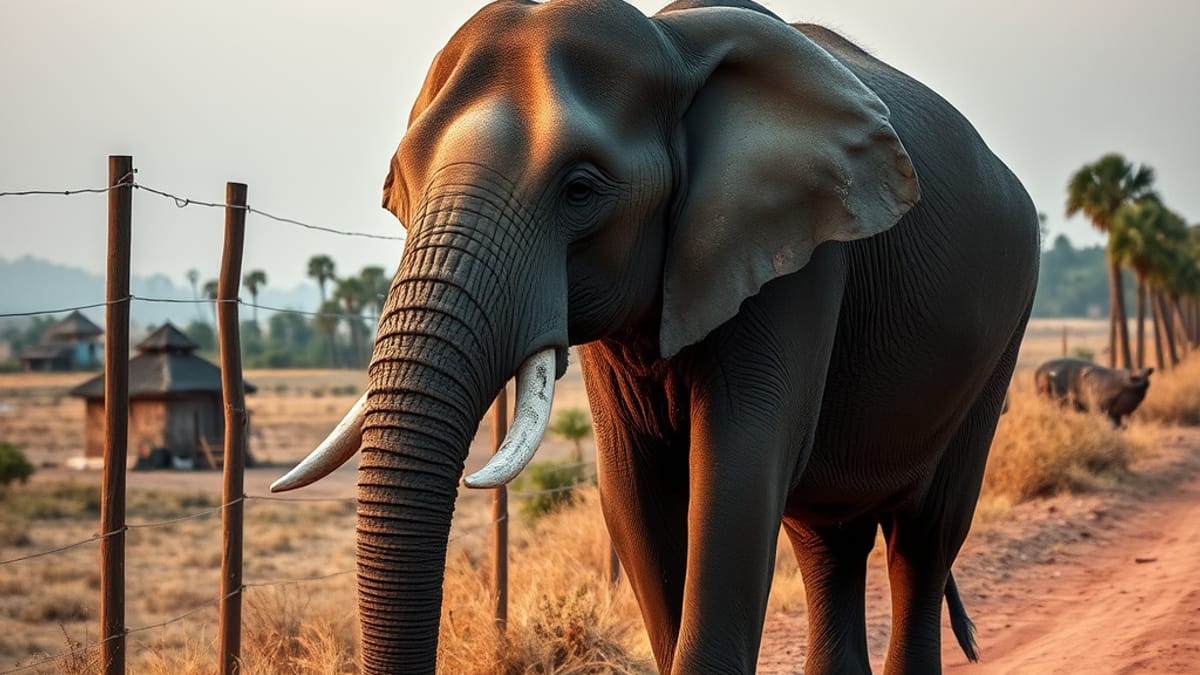
The Yala Elephant Corridor and What Happens at the Boundary
You've probably heard that Yala's elephants live inside the park and the villages live outside it, tidy and separate, like a zoo with very good acoustics. We checked. That's not how any of this works.
Yala's boundary is a line on a map. It is not a line an elephant recognises, and it never has been. Elephants in this part of Sri Lanka move across a much wider range than the park itself, following food, water and old habit, and a fair chunk of that range sits outside the protected area entirely. That overlap is where the conflict happens.
The Corridor That Isn't Really a Corridor
People often talk about "the Yala elephant corridor" as if it's a single fenced lane, like a wildlife overpass on a motorway. It isn't. It's closer to a set of traditional movement patterns, worn in over generations, connecting Yala to neighbouring forest patches and to Lunugamvehera National Park to the north. Elephants used these routes long before the park boundaries existed, and long before the farms did too.
The problem is that the land in between has filled in. Chena cultivation, paddy fields, irrigation tanks and expanding settlements now sit across routes elephants have always used. The elephants haven't rerouted around this development so much as pushed through it, because an elephant's memory of a route is long and its willingness to abandon a good water source is short.
Exact figures on how much of the historical corridor land is still usable aren't publicly tracked in a way we'd want to quote as fact, but anyone working in wildlife management here will tell you the same thing: connectivity has shrunk, and what's left is fragmented and contested.
Why the Boundary Leaks
Yala's edge is long, and a long boundary is hard to fence, hard to patrol and hard to police. Electric fencing exists along stretches of it, run by the Department of Wildlife Conservation, and it does reduce incursions where it's properly maintained. But an unmaintained fence is often worse than no fence at all, because it teaches elephants (correctly) that the barrier can be beaten, without actually stopping them.
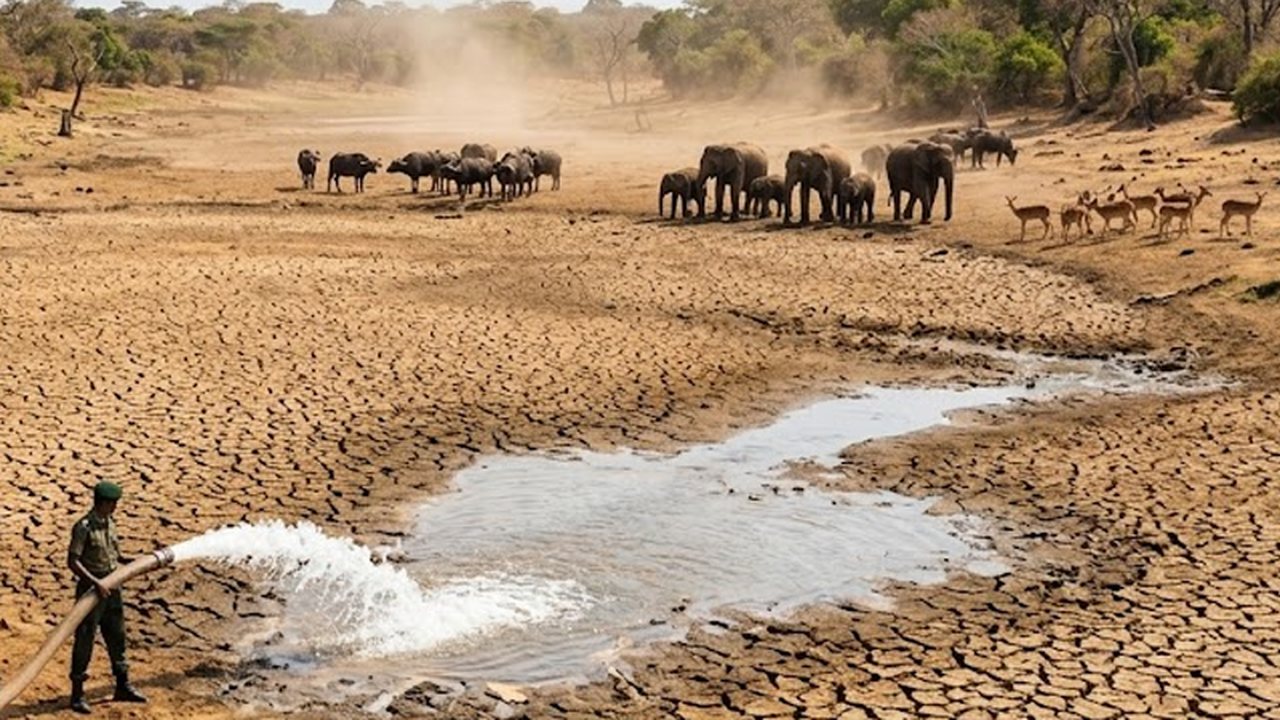
Elephants are also smart about seasons. During the dry months, when water and grazing inside the park thin out, animals are more likely to push toward farmland at the edge, where irrigated crops are, frankly, a better meal than dry scrub. This is the same dry-season pressure that sometimes prompts the DWC to bring in water by tanker for animals inside the park, a stopgap covered in our piece on DWC's dry season water bowsers. The same conditions that stress wildlife inside the park push elephants toward conflict at its edge.
Living With the Fence Line
For communities along the boundary, this isn't an abstract wildlife issue, it's crop loss, damaged homes and real physical danger, and it runs both ways. Sri Lanka has one of the highest rates of human-elephant conflict anywhere elephants still survive, and both people and elephants die from it every year. We won't quote a specific national figure here because the numbers shift year to year and vary depending on which agency is reporting, but the scale is well documented and it is not small.
Mitigation efforts are genuinely being tried: community-maintained electric fences, early warning networks, and coordinated planting choices that make edge land less attractive to raiding elephants. Translocation, moving problem elephants elsewhere, gets discussed a lot in the press but tends to be a short-term fix at best, since a relocated elephant often just becomes someone else's boundary problem, or tries to walk home.
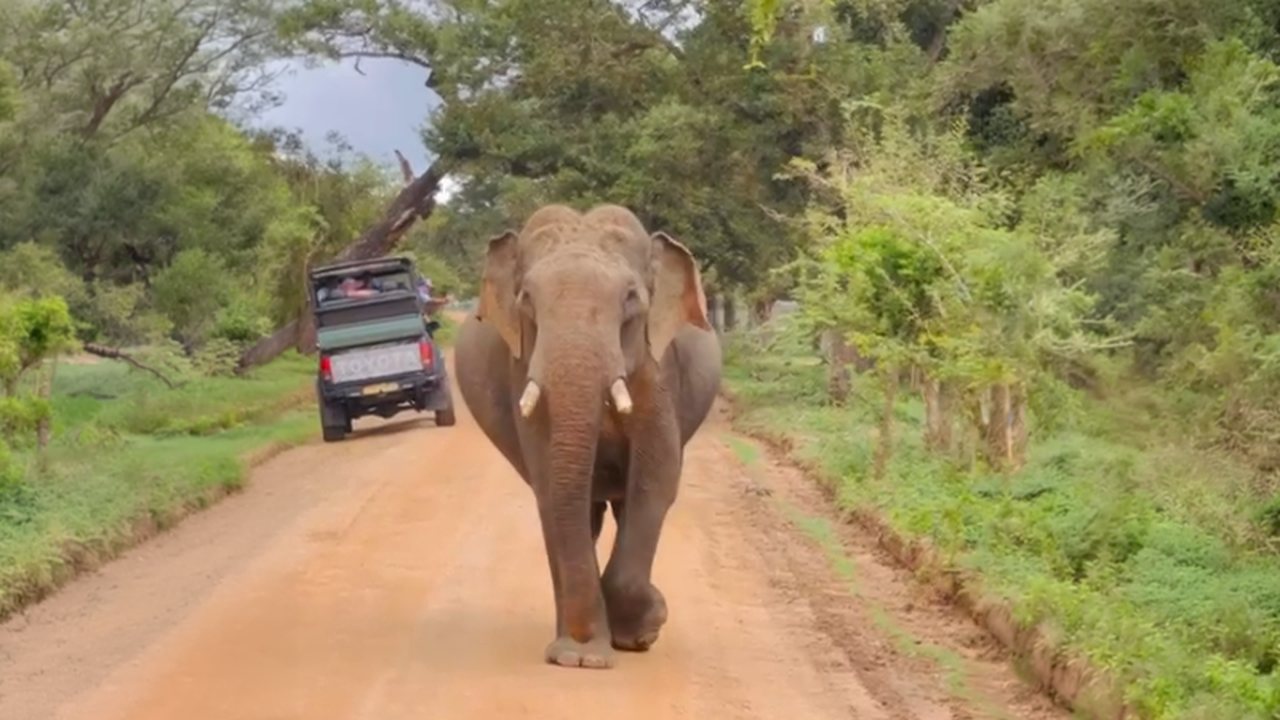
None of this is visible from a jeep on a morning game drive, which is worth remembering. The elephant you photograph calmly crossing a track in Block I, discussed at length in The Leopards of Block I and elsewhere on this site, may well be the same individual navigating a very different reception a few kilometres away, outside the fence. The animal doesn't change. The stakes on either side of that line do.
Understanding this is part of understanding what a safari here actually is: a narrow, protected window onto a much larger and more difficult story about land, water and coexistence that doesn't stop at the park gate.
Sources
- Department of Wildlife Conservation Sri Lanka
- General ecological and conservation literature on Sri Lankan elephant range and human-elephant conflict (IUCN, published wildlife management sources)
Ready to see it for yourself?
Book a safari